U.S. Renewable Energy Growth Forecast 2026 explains the latest IEA outlook, policy impacts, solar and wind trends, and what slower clean energy growth means for the U.S. economy and climate goals.
Introduction
The global clean energy transition has long been fueled by expectations of rapid renewable energy expansion in the United States. For years, analysts viewed the U.S. as one of the most important engines of growth for solar and wind power. However, the latest assessment from the International Energy Agency (IEA) has reshaped that narrative.
In its most recent outlook, the IEA significantly reduced its forecast for renewable energy growth in the U.S. through the end of the decade. The revision signals a slower pace of expansion than previously expected and highlights how policy decisions can directly influence energy markets.
This article explains why the forecast was downgraded, which technologies are most affected, and what the revised outlook means for consumers, investors, workers, and climate commitments in 2026 and beyond.
Understanding the IEA’s Revised Forecast
The IEA regularly publishes long-term energy projections that guide governments, investors, and utilities worldwide. In its updated outlook, the agency reduced expected U.S. renewable capacity additions by nearly half compared with earlier estimates for the same period.
This does not mean renewable energy is declining in the U.S. Instead, growth is now expected to be slower, more uneven, and more sensitive to policy uncertainty.
Previously, the U.S. was projected to be one of the fastest-growing renewable markets among advanced economies. The revised forecast places it behind several global peers that are maintaining stronger policy support and investment certainty.
Why the Outlook Changed
1. Shifts in Federal Energy Policy
One of the main drivers behind the forecast downgrade is a change in federal policy direction. Renewable energy development depends heavily on long-term stability, especially for capital-intensive projects like wind farms and utility-scale solar plants.
The IEA notes that earlier-than-expected reductions in federal tax incentives have weakened the financial case for many planned projects. Developers that once relied on predictable credits are now facing tighter margins and delayed investment decisions.
2. Trade and Supply Chain Pressures
Another contributing factor is increased cost pressure across renewable supply chains. Import restrictions, tariffs, and regulatory scrutiny on solar panels and wind components have pushed up project costs.
Even modest increases in equipment prices can significantly affect large-scale projects, leading to cancellations or postponements. Smaller developers and residential solar installers are particularly vulnerable to these changes.
3. Permitting and Land-Use Constraints
Permitting delays remain a persistent challenge. Renewable projects often require approvals across multiple agencies, especially when located on federal land or offshore.
Stricter permitting rules and slower approval timelines reduce the speed at which new capacity can come online. The IEA highlights this as a major structural barrier that limits near-term growth even when demand exists.
Technology-Specific Impacts
Solar Energy: Still Growing, But More Slowly
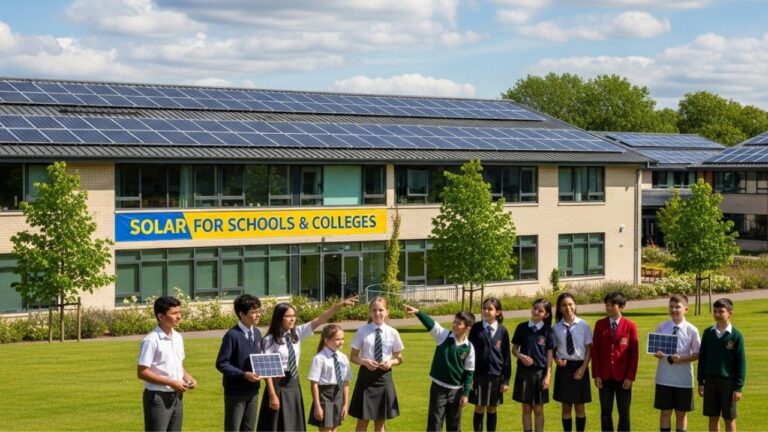
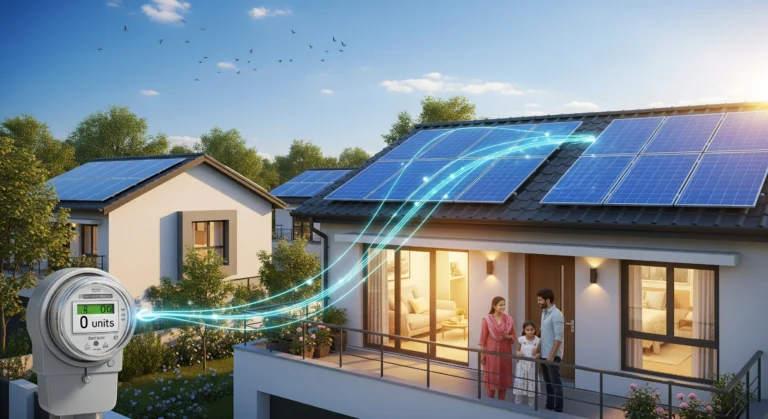
Solar power remains the fastest-growing renewable technology in the U.S., but its projected expansion has been revised downward. Residential and small commercial installations are facing the biggest slowdown due to reduced incentives and financing challenges.
Utility-scale solar continues to expand, but developers are becoming more selective, prioritizing projects with clear grid access and long-term power purchase agreements.
Wind Energy: The Largest Downgrade
Wind power has seen the sharpest revision in expectations. Offshore wind, once seen as a major growth opportunity, has been particularly affected by higher costs, permitting delays, and policy uncertainty.
Onshore wind development has also slowed, especially in regions facing land-use opposition or transmission constraints. As a result, wind’s contribution to new renewable capacity is now expected to be significantly lower than previously forecast.
Energy Storage and Grid Integration
While renewable generation growth has slowed, investment in battery storage and grid upgrades remains critical. The IEA emphasizes that without stronger grid integration, even existing renewable capacity cannot operate at full potential.
Read Also: Rooftop Solar Is Booming Across India in 2026 — But Most Homeowners Are Missing One Huge Benefit
What This Means for Consumers
Electricity Prices
A slower rollout of renewable energy could influence electricity prices in the medium term. Renewables often help stabilize prices by reducing dependence on volatile fuel markets. Slower growth may increase exposure to fossil fuel price fluctuations.
However, regional impacts will vary. States with strong local policies and existing renewable infrastructure may continue to see stable or declining power costs.
Energy Reliability
Grid reliability remains a top concern. While renewables are increasingly reliable when paired with storage, delayed investments can strain systems as electricity demand rises from electric vehicles, heat pumps, and data centers.
Economic and Employment Impacts
Renewable energy has been a major source of job creation over the past decade. Manufacturing, construction, installation, and maintenance roles have expanded alongside capacity growth.
The revised outlook suggests slower job growth rather than widespread losses. However, regions that depend heavily on new renewable projects may experience reduced investment and fewer employment opportunities than expected.
At the same time, clean energy manufacturing remains a strategic priority, and domestic production could offset some of the slowdown if supported by targeted policy measures.
Climate Goals and Emissions Targets
The slower pace of renewable deployment raises questions about the U.S. ability to meet its long-term emissions reduction targets. Electricity generation is one of the largest sources of greenhouse gas emissions, and renewables play a central role in decarbonization strategies.
While emissions may continue to decline, the rate of reduction could fall short of earlier expectations without additional policy support or technological breakthroughs.
The Global Perspective
Despite the U.S. downgrade, global renewable energy growth remains strong. Many countries are accelerating deployment to enhance energy security, reduce import dependence, and meet climate commitments.
Emerging economies and parts of Asia and Europe are expanding renewable capacity at record pace, supported by long-term auctions, industrial policy, and grid investments.
This contrast highlights how policy consistency can shape outcomes even when technologies are mature and cost-competitive.
What Could Reverse the Trend?
Policy Stability
Long-term clarity on incentives, permitting rules, and trade policies would significantly improve investor confidence. Renewable projects often span decades, making predictability essential.
Faster Permitting and Grid Expansion
Streamlining approvals and expanding transmission infrastructure could unlock stalled projects and reduce development timelines.
Support for Distributed Energy
Encouraging rooftop solar, community solar, and small-scale storage can reduce pressure on centralized systems while expanding clean energy access.
Key Takeaways
- The IEA has lowered its U.S. renewable energy growth forecast due to policy, cost, and permitting challenges
- Solar and wind will continue to grow, but at a slower pace than previously expected
- Offshore wind and residential solar face the greatest near-term headwinds
- Slower renewable growth could affect electricity prices, jobs, and emissions targets
- Policy clarity and infrastructure investment could quickly restore momentum
Conclusion
The IEA’s revised outlook is not a verdict against renewable energy in the United States. Instead, it serves as a reminder that policy choices matter just as much as technology costs.
Solar and wind remain among the cheapest sources of new electricity, and the long-term transition toward clean energy is unlikely to reverse. However, the speed and scale of that transition depend on decisions made today.
With stable policies, modernized grids, and streamlined permitting, the U.S. can still reclaim a leadership role in renewable energy growth. Without them, progress will continue — but more slowly, and with greater uncertainty.
Related Posts