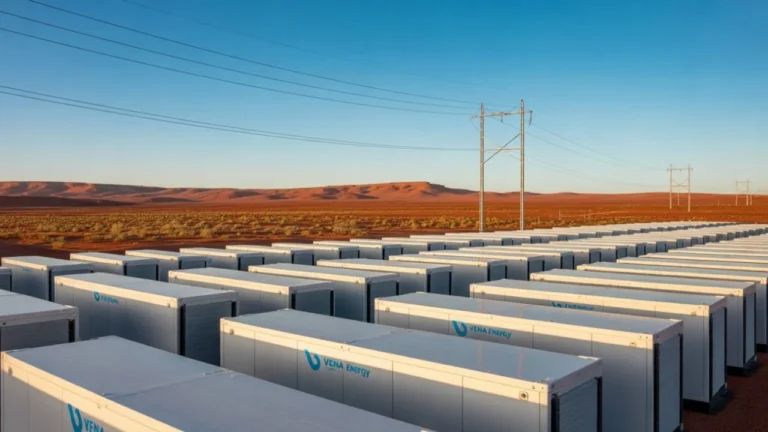
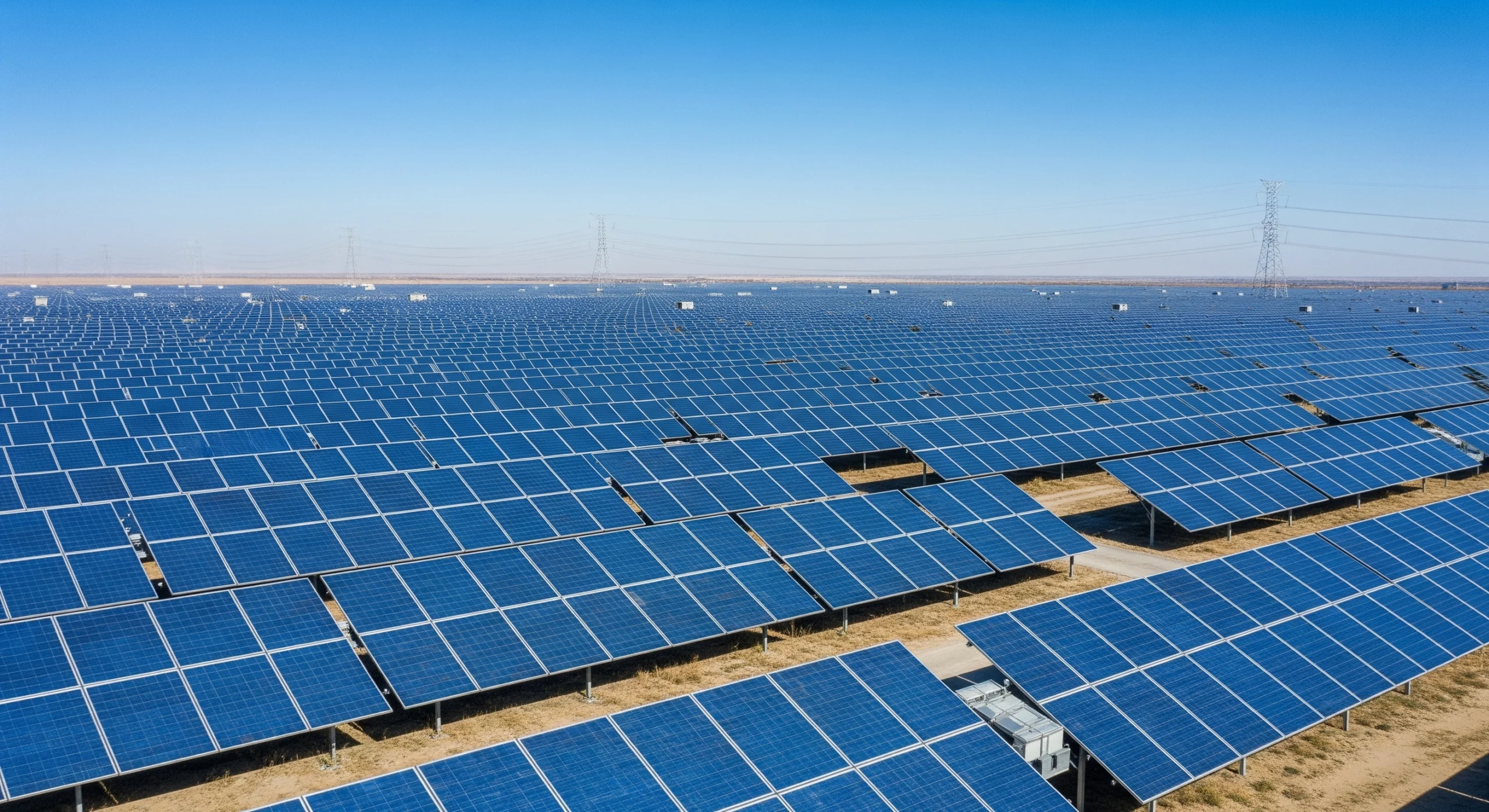
China solar boom 2026: China’s massive solar expansion in 2026 reshaped renewable energy growth, lowered global costs, and set new benchmarks for clean power adoption worldwide.
2026 Became a Defining Year for Renewable Energy
In 2026, renewable energy didn’t just grow — it crossed a turning point.
At the center of that shift stood China. China’s solar expansion in 2026 wasn’t only about adding capacity. It changed how the world viewed speed, scale, and feasibility in the clean-energy transition.
This wasn’t theory.
It was execution.
Why China Solar Boom Mattered in 2026
By 2026, many countries were expanding renewables steadily. China, however, accelerated solar deployment at a level no other nation matched.
What made 2026 different was coordination:
- Solar expansion aligned with grid upgrades
- Manufacturing scaled alongside deployment
- Policy focused on absorption, not just installation
As a result, solar became the primary driver of renewable growth, not a supplementary source.
Read Also:PM Surya Ghar Muft Bijli Yojana: How Rooftop Solar Can Cut Your Electricity Bill to Zero
Scale That Redefined Global Benchmarks
China’s solar success has long been associated with size, but in 2026, that scale became system-defining.
Utility-Scale Solar at Unmatched Speed
- Massive solar parks expanded across desert and semi-arid regions
- Construction timelines shortened due to standardized designs
- Cost per unit continued to fall as deployment accelerated
Entire regions saw renewable capacity added faster than conventional power plants could be planned elsewhere.
Manufacturing Strength Powered the Momentum
One reason China could move so fast in 2026 was its end-to-end control over the solar supply chain.
China continued to dominate:
- Solar panel manufacturing
- Wafers, cells, and modules
- Inverters and grid-scale components
This manufacturing strength reduced delays, stabilized pricing, and allowed rapid upgrades in panel efficiency — feeding directly into deployment speed.
Rooftop Solar Quietly Became a Major Contributor
While large solar farms attracted attention, rooftop solar expansion in 2026 played a quieter but critical role.
Urban & Industrial Rooftops:
- Factories reduced daytime grid dependence
- Commercial buildings turned unused roof space into power assets
- Residential blocks adopted shared solar systems
This reduced peak demand pressure and improved grid stability — an often overlooked success factor.
Grid Integration: From Bottleneck to Breakthrough
In earlier years, renewable curtailment limited how much solar power could actually be used.
By 2026, China made visible progress.
Key improvements included:
- Smarter grid coordination
- High-capacity transmission corridors
- Better synchronization between solar, wind, and storage
The result: more solar energy used, less wasted.
Why the World Paid Attention in 2026
China’s solar boom mattered globally because it demonstrated something critical:
Large economies can scale renewables quickly without sacrificing reliability.
As China expanded solar capacity:
- Global panel prices remained competitive
- Supply chains stabilized
- Solar adoption became more affordable worldwide
Countries like India, the United States, and parts of Europe benefited indirectly from this momentum.
Read Also: Tamil Nadu’s Solar Breakthrough Shows How India Can Lead the Global Clean Energy Transition
What China’s 2026 Solar Success Means for the Future
China’s progress in 2026 didn’t signal completion — it raised expectations.
The next phase focuses on:
- Energy storage expansion
- Smarter demand-side management
- Deeper integration of renewables into daily consumption
Solar is no longer just about generation. It’s about system intelligence.
Final Takeaway
China’s solar boom in 2026 wasn’t just a national milestone.
It was a global reference point.
It showed that solar energy can:
- Power large economies
- Anchor renewable growth
- Accelerate the global energy transition
The renewable shift didn’t slow in 2026.
It matured.
Related Posts