
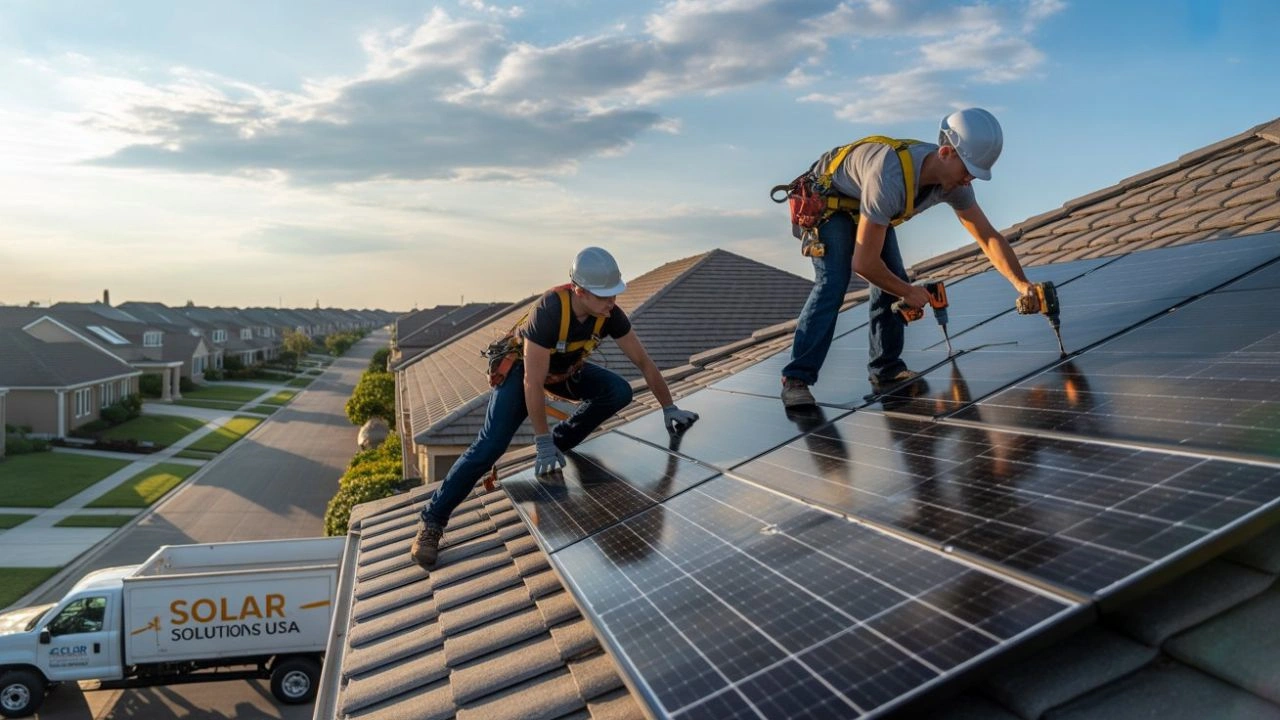
Commercial Solar Panel Installation USA: Businesses across the United States are rapidly adopting solar energy solutions to reduce costs and emissions sustainably.
The commercial solar industry in the United States is witnessing unprecedented growth as businesses increasingly seek energy independence, cost savings, and sustainability compliance. With federal incentives, declining installation costs, and rising electricity prices, commercial solar panel installation is no longer a luxury—it has become a strategic necessity for modern enterprises.
The Rising Demand for Commercial Solar in the USA
The demand for commercial solar installations has surged over the past decade. From small enterprises to Fortune 500 companies, organizations are actively transitioning to solar power systems.
Several factors are driving this momentum:
- Escalating electricity costs across major states like California, Texas, and New York
- Growing pressure to meet ESG (Environmental, Social, Governance) goals
- Increasing awareness of climate change and corporate responsibility
- Attractive government incentives such as the Investment Tax Credit (ITC)
According to industry reports, the U.S. commercial solar market is expected to grow steadily through 2030, driven by both policy support and technological advancements.
Read Also: Smart Export Guarantee UK (SEG) Explained – Earn Money From Solar Export
How Commercial Solar Panel Installation Works
Installing solar panels for commercial use involves a structured and technical process that ensures efficiency and long-term performance.
Site Assessment and Feasibility Study
Before installation, experts conduct a detailed evaluation of the site. This includes:
- Roof condition and size
- Sunlight exposure and shading analysis
- Energy consumption patterns
- Structural integrity
This phase determines whether the property is suitable for solar installation and estimates the potential return on investment.
System Design and Engineering
Once feasibility is confirmed, engineers design a customized solar system. This includes:
- Panel placement optimization
- Selection of inverters and mounting systems
- Electrical integration with existing systems
Every design is tailored to maximize energy generation while complying with local regulations.
Installation and Grid Connection
Certified professionals install the panels, wiring, and inverters. After installation:
- The system is inspected by local authorities
- It is connected to the grid through net metering policies
- Businesses can start generating electricity immediately
Key Benefits of Commercial Solar Installation
Switching to solar energy offers multiple advantages that go beyond environmental impact.
Significant Cost Savings
One of the biggest benefits is reduced electricity bills. Businesses can:
- Save up to 70% on energy costs
- Lock in predictable energy rates
- Reduce dependence on utility companies
Over time, the system pays for itself, making it a high-return investment.
Tax Incentives and Financial Benefits
The U.S. government offers several financial incentives:
- Federal Investment Tax Credit (ITC) – up to 30% of installation cost
- Accelerated depreciation through MACRS (Modified Accelerated Cost Recovery System)
- State-level rebates and grants
These incentives significantly reduce upfront costs and improve ROI.
Environmental Impact and Sustainability
Solar energy helps businesses reduce their carbon footprint. Benefits include:
- Lower greenhouse gas emissions
- Contribution to renewable energy goals
- Improved brand image and customer trust
Companies adopting solar are often viewed as eco-conscious leaders, gaining a competitive edge.
Energy Independence and Reliability
With solar panels, businesses gain greater control over their energy supply. This reduces vulnerability to:
- Power outages
- Utility price fluctuations
- Grid instability
Adding battery storage further enhances reliability.
Types of Commercial Solar Systems
Different types of solar installations cater to various business needs.
Rooftop Solar Systems
These are the most common installations, ideal for:
- Warehouses
- Office buildings
- Retail stores
They utilize unused roof space and are cost-effective.
Ground-Mounted Solar Systems
Suitable for businesses with large land areas, such as:
- Manufacturing units
- Agricultural enterprises
They allow flexible panel positioning for maximum efficiency.
Solar Carports
Solar panels installed over parking lots serve dual purposes:
- Generate electricity
- Provide shaded parking
This option is gaining popularity in malls and corporate campuses.
Costs Involved in Commercial Solar Installation
The cost of installation depends on several factors:
- System size (kW or MW capacity)
- Type of panels used
- Location and labor costs
- Permitting and inspection fees
Average Cost Estimates
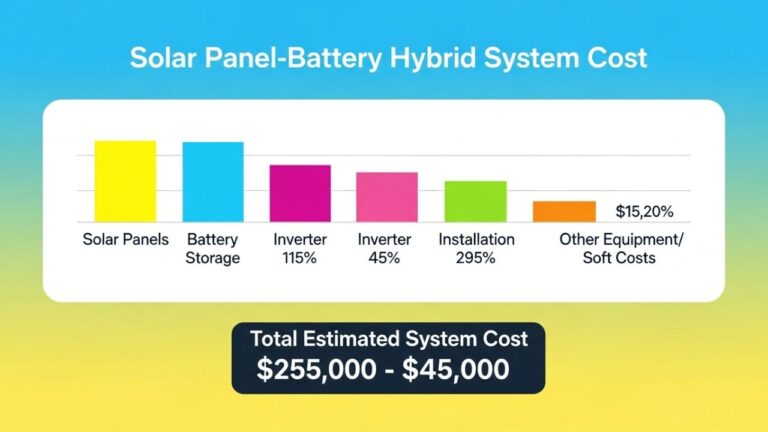
In the U.S., commercial solar installation costs typically range between:
- $1.50 to $2.50 per watt
For example:
- A 100 kW system may cost between $150,000 to $250,000 before incentives
After applying tax credits and rebates, the effective cost can be significantly lower.
Return on Investment (ROI) and Payback Period
Commercial solar systems offer attractive financial returns.
Payback Period
Most businesses recover their investment within:
- 3 to 7 years
This depends on:
- Energy consumption
- Local electricity rates
- Available incentives
Long-Term Savings
Solar panels typically last 25–30 years, providing:
- Decades of free electricity
- Millions in cumulative savings for large businesses
The ROI can exceed 15–20% annually, making it one of the most profitable investments.
Challenges and Considerations
While solar offers numerous benefits, businesses must consider certain challenges.
Initial Investment
Despite incentives, upfront costs can be high. However, financing options such as:
- Solar loans
- Power Purchase Agreements (PPAs)
- Leasing models
help reduce financial burden.
Regulatory and Permitting Issues
Each state has different regulations, which can:
- Delay installation timelines
- Increase compliance complexity
Working with experienced installers helps navigate these challenges.
Maintenance Requirements
Solar systems require minimal maintenance, but periodic checks are necessary:
- Panel cleaning
- System monitoring
- Inverter maintenance
Proper upkeep ensures optimal performance.
Future of Commercial Solar in the USA
The future of commercial solar energy in the U.S. looks promising.
Technological Advancements
Innovations such as:
- High-efficiency solar panels
- AI-based energy monitoring systems
- Battery storage integration
are making solar systems more efficient and reliable.
Policy Support and Expansion
Government policies continue to support renewable energy adoption:
- Extended tax credits
- Renewable energy mandates
- Net metering policies
These initiatives will further accelerate growth in the commercial sector.
Corporate Sustainability Trends
More companies are committing to net-zero emissions goals, driving solar adoption across industries.
Major corporations are investing heavily in renewable energy, setting an example for smaller businesses.
How to Choose the Right Solar Installer
Selecting the right installer is critical for a successful project.
Key Factors to Consider
- Experience and certifications
- Portfolio of completed projects
- Customer reviews and testimonials
- Warranty and service agreements
A reliable installer ensures:
- Quality installation
- Compliance with regulations
- Long-term system performance
Financing Options for Commercial Solar Projects
Businesses have multiple financing options to adopt solar without heavy upfront costs.
Power Purchase Agreements (PPAs)
- No upfront investment
- Pay only for electricity generated
- Ideal for cash-flow management
Solar Loans
- Ownership of the system
- Eligibility for tax benefits
- Flexible repayment options
Leasing
- Lower initial cost
- Fixed monthly payments
- Maintenance often included
Each option has its pros and cons, and businesses should choose based on financial goals.
Read Also: Best Solar loans USA 2026: Save Thousands with Smart Solar Financing Options
Real-World Impact: Businesses Leading the Solar Revolution
Across the United States, businesses are already reaping the benefits of solar energy.
Examples include:
- Retail chains reducing operational costs
- Manufacturing units achieving energy independence
- Tech companies committing to 100% renewable energy
These success stories highlight how solar is transforming the commercial landscape.
Conclusion: Why Commercial Solar is a Smart Business Move
Commercial solar panel installation in the USA is more than just an environmental initiative—it is a strategic investment for long-term growth and sustainability.
With strong government support, declining costs, and high ROI, solar energy offers a compelling opportunity for businesses of all sizes. As the world moves toward cleaner energy, companies that adopt solar today will be better positioned for tomorrow.
Businesses that invest in solar are not only reducing expenses but also building a resilient, future-ready energy strategy.
Related Posts

2 thoughts on “Commercial Solar Panel Installation USA: Costs, Benefits & ROI Guide 2026”