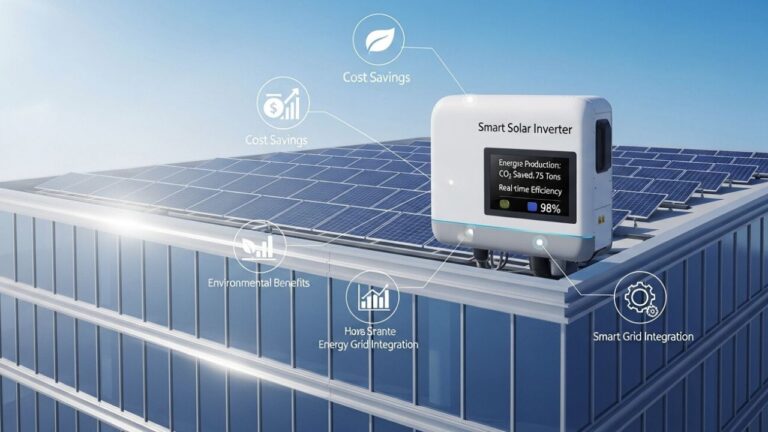

Photovoltaics in Multi-Family Buildings: How landlords, housing associations, and property investors can maximise solar returns while staying fully tax-compliant
Solar energy is no longer limited to single-family homes. Across Europe — especially in Germany — multi-family residential buildings are becoming a major growth area for rooftop photovoltaics (PV). Rising electricity prices, climate targets, and generous incentives have made solar installations financially attractive.
However, one major hurdle still causes confusion: taxation.
Income tax exemptions, VAT rules, tenant electricity models, depreciation limits — these topics are often poorly explained and misunderstood. Many property owners delay or undersize solar projects simply because they fear tax complications.
This article breaks everything down clearly. If you own, manage, or invest in a multi-family property, this guide will help you install solar confidently, legally, and profitably in 2025 and beyond.
Why Multi-Family Buildings Are the Next Solar Frontier
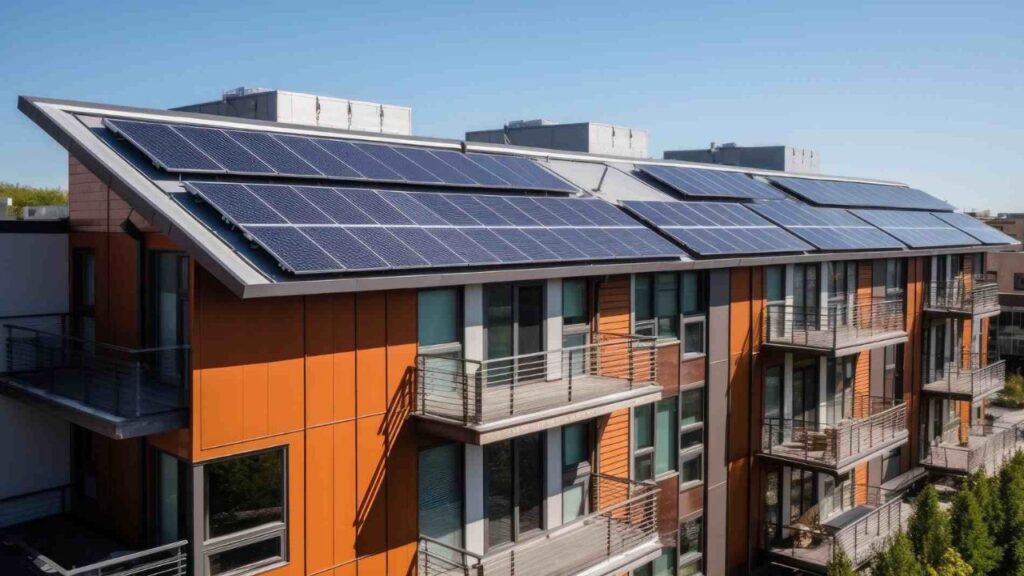
Unlike single-family homes, apartment buildings consume electricity across multiple households, common areas, and sometimes shared heating systems. This creates three major advantages for photovoltaics:
- Higher self-consumption rates, improving return on investment
- Stable long-term electricity demand
- Scalable system sizes, often reaching 30–100 kW
Despite these benefits, tax complexity has historically slowed adoption. Recent legal changes have significantly simplified the situation — if you understand how to use them.
Income Tax: The Most Important Change for 2025
The PV Income Tax Exemption Explained
Germany introduced a powerful income tax exemption for small and medium photovoltaic systems — and multi-family buildings are now fully included.
From 2025 onward, the rules are:
- Up to 30 kW per residential or commercial unit
- Maximum 100 kW per taxpayer
- Applies to profits from electricity sales and self-consumption
- No income tax declaration required for PV income within limits
This means that most rooftop solar systems on apartment buildings now operate completely tax-free from an income perspective.
What Counts as Tax-Free Income?
Under the exemption, the following are not subject to income tax:
- Electricity sold to tenants
- Electricity fed into the public grid
- Electricity used for common areas (staircases, elevators, lighting)
- Electricity used by the building owner
For many landlords, this removes the single biggest administrative burden that previously discouraged solar investments.
The Trade-Off: No Depreciation Allowed
There is one important limitation.
Because income is tax-exempt, you cannot claim depreciation (AfA) or deduct operating costs such as:
- Maintenance
- Insurance
- Monitoring services
In practice, however, this is rarely a disadvantage. Most residential PV systems already pay for themselves through savings and feed-in income, making the exemption a net positive.
VAT Rules: Where Most Mistakes Still Happen
Income tax is now simple — VAT is not.
Zero VAT on PV Systems
A major advantage remains in place:
- 0% VAT on the purchase and installation of photovoltaic systems
- Applies regardless of system size
- Applies to rooftop systems on residential buildings
This immediately reduces capital costs and improves ROI.
VAT on Electricity Sales: When Does It Apply?
VAT depends on how electricity is sold and whether the operator uses the small business regulation.
Option 1: Small Business Regulation
If annual turnover stays below €25,000, operators can:
- Charge no VAT on electricity sales
- Avoid VAT filings
- Simplify accounting
This is ideal for most residential buildings.
Option 2: Regular VAT Taxation
If VAT is applied:
- Electricity sales to tenants are subject to VAT
- Grid feed-in is also taxable
- VAT must be declared regularly
This option only makes sense in special cases, such as large commercial mixed-use buildings.
Tenant Electricity Models: Tax-Smart or Tax-Risky?
Tenant electricity (“Mieterstrom”) allows landlords to sell solar power directly to residents at lower prices than the grid.
Income Tax: Fully Exempt
As long as the system stays within the exemption thresholds, tenant electricity income remains tax-free.
VAT: Depends on Structure
VAT may apply unless the small business rule is used. Careful system design and turnover planning are critical here.
Hidden Advantage: Higher RPM Content Potential
From a publishing and monetisation standpoint, tenant electricity topics attract:
- Real estate investors
- Property managers
- Sustainability consultants
These readers generate high advertising RPM, especially for finance, insurance, and energy ads.
Electricity for Common Areas and Heat Pumps
Many buildings use solar power for:
- Staircase lighting
- Elevators
- Ventilation systems
- Central heat pumps
Tax Treatment
- No income is generated
- Electricity is treated as self-consumption
- Fully covered by income tax exemption
This setup increases self-use rates and shortens payback periods without adding tax complexity.
Renting the PV System: A Common but Costly Mistake
Some landlords attempt to rent the PV system itself to tenants rather than selling electricity.
This changes everything:
- Rental income is not tax-exempt
- Depreciation becomes mandatory
- VAT treatment becomes complex
- Higher audit risk
In most cases, this model is less profitable and less efficient than selling electricity or using self-consumption.
Ownership Structures That Work Best
Single Owner (Private Individual)
- Simplest structure
- Full income tax exemption
- Ideal for buildings with one legal owner
Homeowners’ Associations (HOAs)
- Each owner benefits proportionally
- 100 kW cap applies per tax person
- Requires clear internal agreements
Companies and Property Firms
- Exemption applies if conditions are met
- VAT planning becomes more important
- Still highly profitable with proper structure
Common Tax Mistakes to Avoid
- Oversizing systems without checking exemption limits
- Mixing VAT models without documentation
- Renting PV systems instead of selling electricity
- Forgetting turnover thresholds
- Poor meter separation between tenants and common areas
Avoiding these mistakes alone can save thousands of euros over a system’s lifetime.
Read Also: Solar Farm Investment in 2025: A Complete Guide to Profiting from Clean Energy
Why Photovoltaics on Apartment Buildings Will Dominate After 2025
Several trends are accelerating adoption:
- Rising electricity prices
- Stricter climate regulations
- Improved feed-in tariffs
- Simplified tax rules
- High tenant demand for green power
From an investment perspective, rooftop solar is becoming a standard feature, not an upgrade.
SEO & Discover Insight: Why This Topic Ranks Well
Articles on solar taxation perform strongly in Google Discover because they:
- Address real financial decisions
- Combine energy, property, and money topics
- Attract long reading times
- Generate high advertiser demand
Well-structured, expert-style content like this is ideal for long-term organic traffic and high RPM monetisation.
Germany’s Federal Ministry for Economic Affairs and Climate Action
Conclusion: Solar Without Tax Fear
Photovoltaics on multi-family buildings are no longer a tax nightmare. With current rules, most systems operate income-tax free, enjoy zero VAT on purchase, and generate predictable, long-term savings.
For landlords and property owners willing to plan correctly, solar is no longer just sustainable — it is financially smart.
Disclaimer:
This article is for informational purposes only and does not constitute financial, legal, or tax advice. Regulations and tax rules may change over time. Readers are advised to consult a qualified tax or legal professional before making any investment or compliance decisions.
Related Posts