
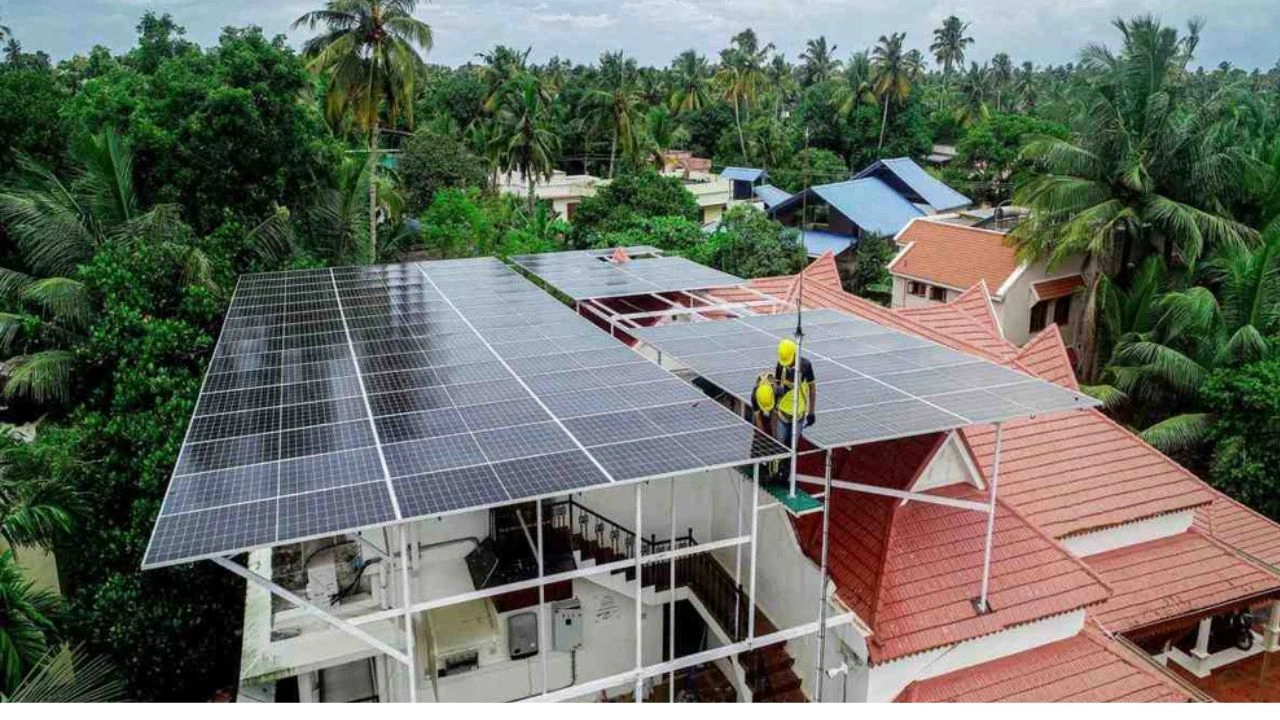
Rooftop solar India: Across India, rooftops that once sat unused are now quietly producing electricity. From independent houses in small towns to urban neighborhoods in major cities, rooftop solar panels are appearing everywhere. Rising electricity bills, frequent power cuts, and growing awareness about clean energy have pushed solar adoption to record levels in 2026.
Yet, while many homeowners are excited about the idea of “free electricity,” most are unknowingly missing the single biggest long-term advantage of rooftop solar—an advantage that can save far more money than expected and protect households from future energy uncertainty.
This article explains why rooftop solar is booming right now, what most people misunderstand about it, and how you can unlock its true value.
 Get Solar Updates on WhatsApp
Why Rooftop Solar Adoption Has Suddenly Accelerated
Rooftop solar didn’t grow overnight. The momentum building today is the result of multiple changes happening at the same time.
Electricity Bills Are Rising Faster Than Incomes
Power tariffs have steadily increased across residential slabs. Even households with moderate usage are seeing higher monthly bills due to fuel cost adjustments, fixed charges, and peak-hour rates.
Daytime Electricity Use Has Increased
Work-from-home, air conditioners, home appliances, and charging devices are now running during the day—exactly when solar panels generate the most power.
Solar Technology Is More Affordable
Solar panels are more efficient, inverters are smarter, and installation quality has improved. This has reduced system costs and improved reliability compared to earlier years.
Social Proof Is Driving Confidence
When neighbors start installing solar and visibly reducing their bills, hesitation disappears. Solar has become a “normal” household upgrade rather than a risky experiment.
What Most Homeowners Think Rooftop Solar Is About
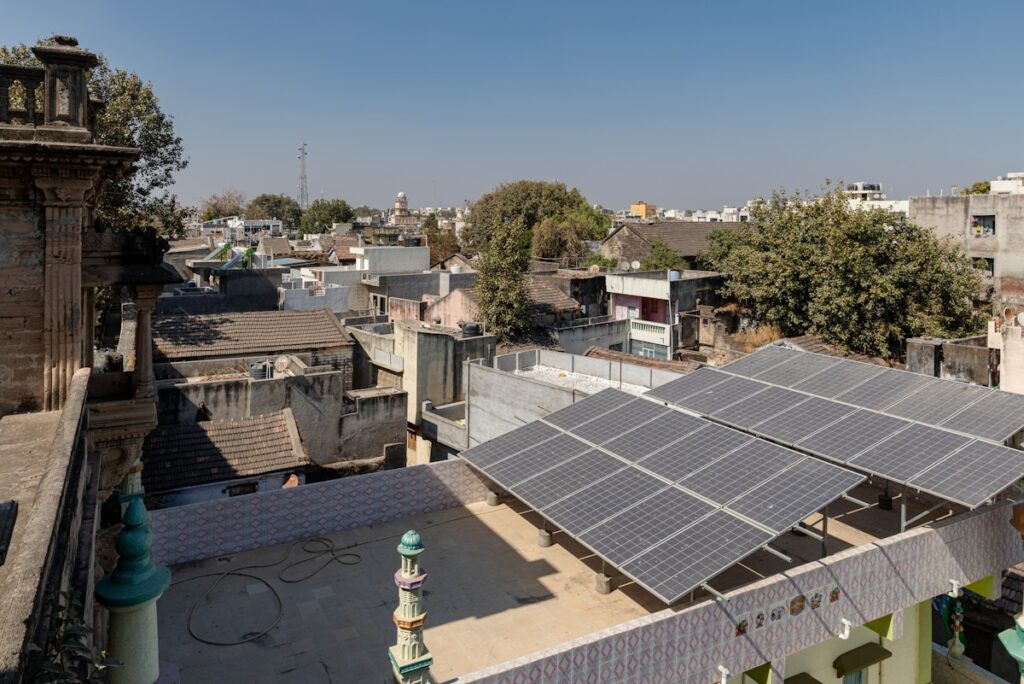
Ask any new solar buyer why they want rooftop solar, and the answer is almost always the same:
- Lower electricity bills
- Government subsidy
- Free units from the sun
While these are valid benefits, focusing only on them leads many people to underuse their solar systems.
Solar panels are often treated as a passive investment—install it, forget it, and wait for savings. That mindset leaves a massive advantage untapped.
The One Major Solar Advantage Most People Miss
Daytime Energy Independence
The real power of rooftop solar is not just saving on monthly bills—it’s producing and using your own electricity at the exact time you need it most.
When your home consumes electricity directly from solar panels during daylight hours:
- You avoid buying power from the grid
- You reduce exposure to tariff hikes
- You depend less on external supply
Every unit used directly from solar is worth more than a unit exported to the grid.
Unfortunately, many households still use most of their electricity in the evening, when solar generation drops, forcing them back onto grid power.
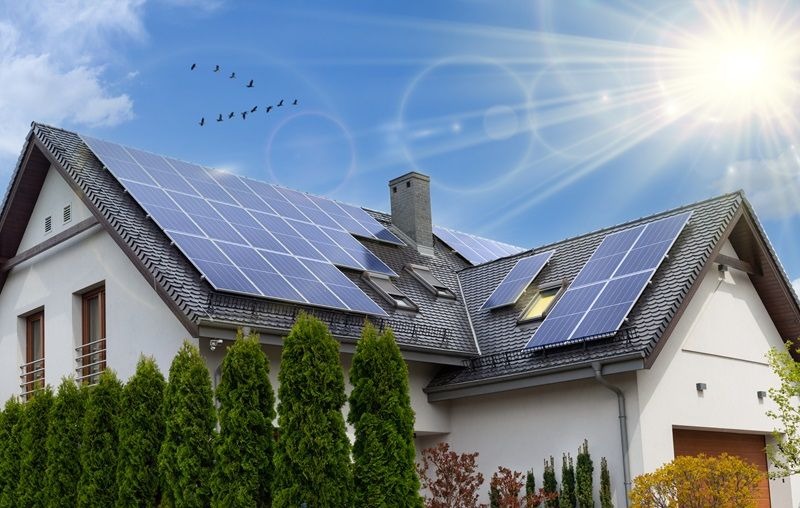
A Simple Real-Life Example
Consider a typical Indian household:
Before Solar
- Daytime usage: low
- Evening usage: high
- Monthly bill: ₹3,000–₹4,000
After Solar (Without Usage Change)
- Solar exports power during the day
- Household uses grid power in the evening
- Bill reduces, but not dramatically
After Solar (With Smart Daytime Usage)
- Washing machine, water pump, AC, and charging shifted to daytime
- Solar power consumed directly
- Grid dependency drops sharply
- Bill reduces by 60–80%
The solar system didn’t change—usage behavior did.
How to Unlock the Full Value of Rooftop Solar
1. Shift Heavy Appliances to Daytime
Run high-consumption appliances between late morning and afternoon whenever possible. This includes:
- Washing machines
- Dishwashers
- Water pumps
- Air conditioners
2. Avoid Oversizing the System
A well-sized system matched to your daytime usage often delivers better returns than a larger system exporting unused power.
3. Understand Net Metering Properly
Exported units are usually credited at a lower value than what you pay for imported electricity. Direct consumption always wins.
4. Monitor Generation Regularly
Checking your inverter data weekly helps detect performance drops early and keeps savings on track.
Why 2026 Is a Turning Point for Home Solar
Several long-term factors make this period critical for homeowners:
- Increasing stress on the power grid
- Higher fuel-based generation costs
- Growing demand from electric appliances
- Strong policy push toward renewable energy
Homes with rooftop solar will be better protected from future price shocks than those fully dependent on the grid.
Common Rooftop Solar Myths That Need to Go
“Solar doesn’t work during monsoon.”
It still generates power under cloudy conditions, just at reduced capacity.
“Maintenance is expensive.”
Most systems only need occasional cleaning and basic checks.
“Solar is only for big houses.”
Even modest rooftops can support meaningful solar generation.
Frequently Asked Questions
Is rooftop solar worth installing now?
Yes. For most homeowners, payback periods are shorter than ever due to rising tariffs.
How long do solar panels last?
Quality panels typically last 25 years or more with gradual efficiency decline.
What happens during power cuts?
Standard grid-tied systems shut down for safety. Battery or hybrid systems can provide backup if required.
Can apartments use rooftop solar?
Yes, through common-area solar or shared rooftop installations, depending on society rules.
The Bigger Picture: More Than Just Savings
Rooftop solar isn’t only about reducing bills. It represents control, stability, and independence in an energy-hungry future. Homes that understand and use solar intelligently will gain the most—not just financially, but in long-term reliability.
The solar boom across India is real. The real question is whether homeowners will use it wisely or leave its biggest advantage untouched.
Author Note
This article is written after reviewing current rooftop solar adoption patterns, residential electricity usage trends, and real-world homeowner experiences across India. The intent is to provide practical, experience-based insights rather than promotional claims.
Related Posts

1 thought on “Rooftop Solar Is Booming Across India in 2026 — But Most Homeowners Are Missing One Huge Benefit”