
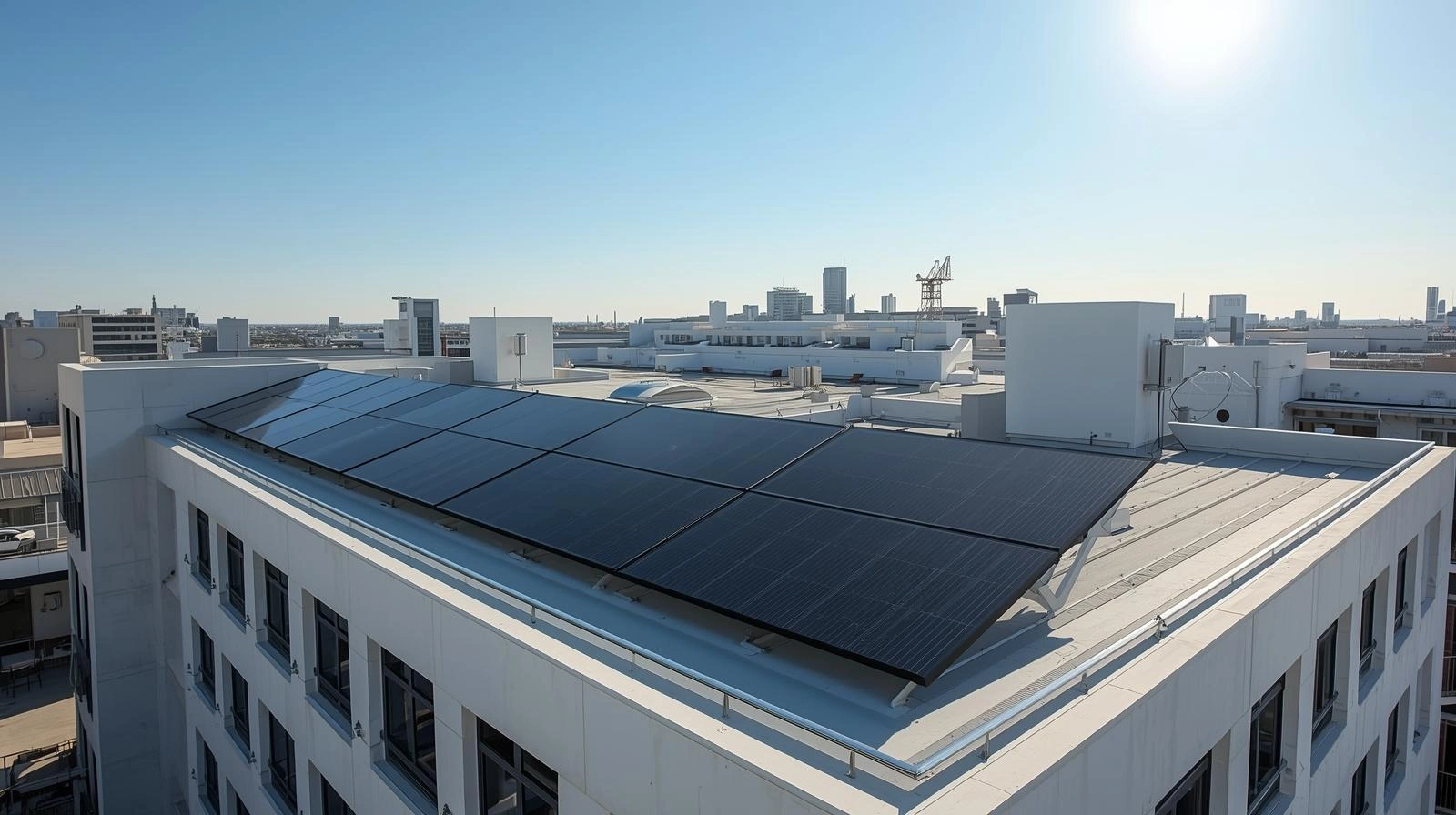
Photovoltaic Systems in Hotels: Italy’s hotel sector gains strategic time, regulatory clarity, and new momentum to embrace solar energy investments sustainably.
The Italian hospitality industry is standing at a crucial crossroads where energy transition, economic sustainability, and regulatory flexibility intersect. With the approval of the Milleproroghe 2025 law, hotel operators across Italy have been granted much-needed breathing room to plan, finance, and implement photovoltaic systems in a more structured and realistic way. This legislative extension arrives at a moment when energy costs remain volatile and sustainability has become a decisive factor in competitiveness, reputation, and long-term resilience.
Rather than forcing rushed compliance, the Milleproroghe decree opens a window of opportunity for hotels—particularly small and medium-sized enterprises—to align renewable energy investments with business strategies, financing cycles, and operational needs.
A Legislative Pause That Creates Strategic Space
The Milleproroghe decree has been warmly welcomed by Confindustria Alberghi, the Italian Hotel Industry Association, as it addresses two pressing obligations that have weighed heavily on hospitality businesses: mandatory catastrophe insurance policies and deadlines for photovoltaic system compliance.
For small and micro hotel businesses, the postponement of the insurance requirement provides immediate relief in a market marked by high premiums, fragmented offerings, and inconsistent contractual conditions. Medium-sized hotels, meanwhile, must still comply by October 1, 2025, but even this fixed deadline benefits from clearer timelines and more predictable planning horizons.
According to Confindustria Alberghi, this regulatory pause allows hotel operators to avoid reactive decision-making. Instead of rushing into unfavorable insurance contracts or poorly designed solar installations, businesses can now compare offers, negotiate better terms, and design integrated energy strategies.
Within the broader Confindustria system, a dedicated initiative has already been launched to support member companies. This initiative provides standardized benchmarks and comparison tools, helping hotels better understand insurance costs and reduce financial exposure while maintaining compliance.
Photovoltaic Investments Without Deadline Pressure
On the energy front, the Milleproroghe extension significantly impacts the authorization procedures for photovoltaic systems. Previously, tight deadlines forced many accommodation facilities to either delay investments indefinitely or proceed without optimal planning. Now, hotels can approach solar projects with greater technical accuracy, financial discipline, and operational foresight.
The extension enables hospitality businesses to:
- Plan photovoltaic investments in phases, aligning them with renovation cycles
- Secure financing under better conditions, including green loans and ESG-linked instruments
- Manage construction sites without disrupting guest experiences, a critical concern for hotels operating year-round
This regulatory flexibility transforms photovoltaic adoption from a compliance burden into a strategic asset that can be integrated seamlessly into business operations.
The Current State of Solar Adoption in Italian Hotels
Despite Italy’s rapid solar expansion, hotels remain a niche segment within the broader photovoltaic market. According to the 2024 GSE Statistical Report, the tertiary sector hosts 128,780 photovoltaic systems with a combined capacity of 7,339 MW, representing nearly 20% of Italy’s total installed solar capacity.
Within this macro-sector, the “Accommodation” category, which includes hotels and other lodging facilities, accounts for:
- 7,344 installed photovoltaic systems
- 223 MW of total capacity
- 203 GWh of gross annual electricity production
- 122 GWh of self-consumed energy
These figures clearly show that while hotels currently represent a small share of total tertiary solar capacity, they demonstrate an exceptionally high level of self-consumption, exceeding 50% of generated energy.
Why Self-Consumption Matters More for Hotels
The high rate of self-consumption is not coincidental. Hotels operate in an environment of constant and predictable energy demand. Air conditioning systems, lighting, kitchens, laundry services, elevators, wellness facilities, and digital infrastructure all require continuous power throughout the day.
This makes on-site energy generation particularly valuable. Unlike residential users, whose peak consumption often occurs outside daylight hours, hotels can match solar production with real-time demand, maximizing the economic return of photovoltaic systems.
Self-consumed solar energy directly reduces grid dependency, stabilizes operating costs, and shields hotels from energy price fluctuations. In an industry where margins are increasingly sensitive to utility expenses, this advantage can significantly impact profitability.
Hotels as Natural Candidates for Solar Expansion
Hospitality facilities possess structural characteristics that make them ideal for photovoltaic deployment. Many hotels offer:
- Large roof surfaces, often flat and unobstructed
- Parking areas suitable for solar canopies
- Outdoor shelters and auxiliary buildings
These spaces can host photovoltaic panels without compromising aesthetics or guest comfort. In fact, well-designed solar installations can enhance a hotel’s sustainability image, reinforcing its brand value among environmentally conscious travelers.
The Milleproroghe extension allows hotel operators to fully assess how these spaces can be utilized efficiently, whether through rooftop systems, carport photovoltaics, or hybrid solutions combined with energy storage.
Financing Solar: From Cost to Investment
One of the most significant barriers to photovoltaic adoption in the hotel sector has been upfront capital expenditure. The additional time granted by the Milleproroghe decree helps operators explore a wider range of financing options, including:
- Green loans from banks aligned with EU taxonomy
- Leasing and power purchase agreements (PPAs)
- Incentive-based regional or national support schemes
- Partnerships within energy communities
With improved access to financing, photovoltaic systems are increasingly viewed not as expenses, but as long-term investments with predictable returns.
Energy Communities and Collective Self-Consumption
Another promising avenue for hotels lies in renewable energy communities. By joining or creating local energy communities, accommodation facilities can share surplus energy with neighboring businesses or residential users, further optimizing production and consumption.
The Milleproroghe framework indirectly supports this model by allowing more time for regulatory alignment and stakeholder coordination. Hotels can now evaluate whether participation in energy communities enhances both economic returns and social impact, strengthening their role within local ecosystems.
Sustainability as a Competitive Differentiator
Beyond financial considerations, solar adoption increasingly influences market positioning. Travelers, especially international and younger demographics, are paying closer attention to sustainability credentials when choosing accommodation.
Hotels equipped with photovoltaic systems can credibly communicate:
- Reduced carbon footprints
- Lower reliance on fossil fuels
- Alignment with national and EU climate goals
This sustainability narrative is no longer optional. It has become a core element of competitiveness, particularly in destinations where green tourism is actively promoted.
Operational Resilience in an Uncertain Energy Landscape
The energy crisis of recent years has highlighted the vulnerability of businesses dependent on external energy supplies. For hotels, energy interruptions or sudden price hikes can disrupt operations and guest satisfaction.
Photovoltaic systems, especially when combined with storage solutions, improve operational resilience. They provide partial energy autonomy and ensure continuity during peak demand periods or grid stress events.
The Milleproroghe extension ensures that hotels can design these systems properly, rather than implementing minimal solutions under regulatory pressure.
From Compliance to Long-Term Vision
Perhaps the most important impact of the Milleproroghe opportunity is cultural rather than technical. It encourages hotel operators to shift from a compliance-driven mindset to a vision-driven approach.
Instead of asking, “How do we meet the deadline?”, businesses can now ask:
- How can solar energy support our growth strategy?
- How do we integrate photovoltaics with digital energy management?
- How can sustainability improve our brand and guest loyalty?
This shift is essential for meaningful and lasting adoption.
Read Also: The Inflation Reduction Act (IRA) Solar Incentives: What Homeowners Must Know in 2025
The Road Ahead for Italian Hospitality Solar
While hotels currently represent a small fraction of Italy’s photovoltaic capacity, the potential for growth is substantial. The combination of high self-consumption rates, suitable infrastructure, and supportive regulation positions the hospitality sector as one of the most promising areas for solar expansion.
The Milleproroghe decree does not eliminate obligations; it reframes them as opportunities. By granting time, flexibility, and strategic clarity, it empowers hotels to become active participants in Italy’s energy transition rather than passive respondents to regulation.
As Confindustria Alberghi and industry stakeholders continue to provide guidance, benchmarking, and support, photovoltaic systems are likely to move from niche adoption to mainstream practice within Italian hospitality.
A Turning Point for Energy and Hospitality
In the broader context of climate goals, energy security, and economic resilience, the Milleproroghe opportunity marks a turning point. Hotels are no longer just energy consumers; they are becoming energy producers, managers, and innovators.
By embracing photovoltaic systems thoughtfully and strategically, Italy’s hotel industry can reduce costs, strengthen competitiveness, and contribute meaningfully to national sustainability objectives—proving that smart regulation and smart business can move forward together.
Related Posts


4 thoughts on “Photovoltaic Systems in Hotels: Milleproroghe 2025 Opportunity for Italy’s Hospitality Sector”