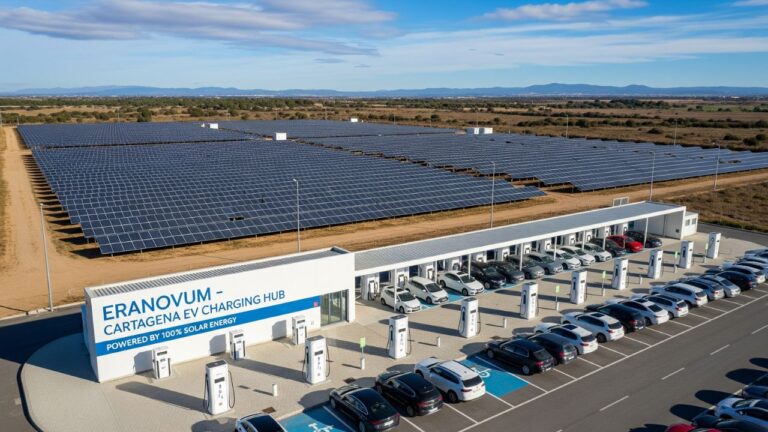

If your Texas business is still paying full commercial electricity rates, you are leaving serious money on the table. The federal Investment Tax Credit (ITC) covers 30% of your solar installation cost, and most Texas businesses see full payback in under 5 years. This is not just an environmental statement—it is a straightforward, data-backed business decision.
Texas has some of the highest commercial electricity rates in the South, and those rates have climbed over 18% since 2021. Meanwhile, solar panel costs have dropped by more than 70% over the last decade. This widening gap is precisely why commercial solar adoption in Texas has surged. Add in the ERCOT grid’s volatility, which has cost businesses millions in unexpected outages and demand charges, and solar-plus-storage starts looking less like an upgrade and more like essential infrastructure.
The 30% Federal Investment Tax Credit (ITC) Explained
The Inflation Reduction Act extended and expanded the solar Investment Tax Credit (ITC) through at least 2032. For commercial properties, this means a direct 30% credit against your federal tax liability—not a deduction, a credit. On a $500,000 installation, that is $150,000 back in your pocket.
Important Deadline: The full 30% ITC is available for systems placed in service through 2032. Projects in certain low-income or energy communities may qualify for an additional 10-20% adder. Don’t wait—approval timelines and installer capacity in Texas are tightening.
Full Breakdown of Available Incentives
| Incentive | Type | Value | Who Qualifies |
|---|---|---|---|
| Federal ITC | Tax Credit | 30% of system cost | All U.S. commercial businesses |
| MACRS Depreciation | Accelerated Depreciation | Up to 85% in Year 1 | Businesses with tax liability |
| Bonus Depreciation | Federal Depreciation | 60% (2024) | Most commercial entities |
| USDA REAP Grant | Cash Grant | Up to 50% of cost | Rural businesses & agricultural operations |
| Austin Energy Rebate | Rebate | Varies | Austin Energy commercial customers |
Expert Insight: The combination of the ITC and MACRS depreciation can often cover 50-70% of the total project cost through tax savings in the first year. This is a critical factor in the rapid payback periods seen in Texas.
Read Also: solar tax credit 2026 USA: How Much You Can Save?
What a Free ROI Analysis Actually Shows You
A quality commercial solar ROI analysis is not a pamphlet—it is a comprehensive financial model built around your actual utility bills, your roof or land footprint, your tax situation, and local grid data. Here is what a proper analysis covers:
| Analysis Component | What It Tells You |
|---|---|
| 12-Month Energy Audit | Your baseline consumption and peak demand patterns |
| System Sizing Model | Optimal kW capacity for your facility |
| Year 1 Savings Projection | Estimated utility bill reduction from Month 1 |
| 25-Year Cash Flow Model | Cumulative savings, payback year, and total return |
| Tax Incentive Breakdown | ITC + MACRS impact on your specific tax situation |
| Financing Scenarios | Cash purchase vs. loan vs. PPA (Power Purchase Agreement) comparison |
| Grid Outage Risk Value | Cost of downtime avoided with battery backup option |
Understanding Your Payback Period: In Texas, most commercial systems achieve a payback period of 4 to 6 years. After that, the electricity generated is essentially free for the remaining 20+ years of the system’s life. Factors that shorten the payback include high daytime consumption, large roof space, and the ability to fully utilize the tax incentives.
How to Choose the Right Texas Commercial Solar Company
Not all installers are created equal. Texas has seen a wave of out-of-state solar companies enter the market with no local roots, no licensed electricians on staff, and no track record. Here is what to look for when vetting a commercial solar partner:
| Factor | What to Look For | Red Flag |
|---|---|---|
| Licensing | Texas TDLR electrical contractor license | Subcontracting all electrical work |
| Experience | 5+ years, 100+ commercial installs in Texas | Primarily residential portfolio |
| Warranty | 25-yr panel, 10-yr workmanship, 12-yr inverter | Shorter or missing workmanship warranty |
| Financing | Relationships with multiple lenders + PPA options | Single-lender lock-in |
| References | Verifiable local commercial clients | Testimonials only, no contact info |
| Monitoring | Real-time production monitoring included | No ongoing performance tracking |
Why This Matters: A high-quality installer ensures your system is designed for maximum production, is installed safely, and will perform for decades. The lowest bid is rarely the best long-term investment.
Industries Seeing the Fastest Solar ROI in Texas
While virtually any commercial property benefits from solar, certain sectors in Texas are seeing payback periods well under five years. This is due to high daytime consumption that aligns with peak solar production hours.
Top Sectors Include:
- Manufacturing Facilities: High energy use during the day.
- Cold-Storage Warehouses: Constant refrigeration loads.
- Retail Centers: Large roof areas and consistent operating hours.
- Hotels and Hospitality: High HVAC and facility loads.
- Agricultural Operations: Grain drying, irrigation, and processing.
- Healthcare Clinics: Consistent power needs and a critical need for backup.
If your operation runs heavy HVAC loads, refrigeration, or production equipment during daylight hours, your ROI timeline shortens considerably.
Your Action Plan for Commercial Solar in Texas
- Audit Your Energy Bills: Gather 12 months of electricity bills to understand your consumption and demand patterns.
- Contact a Reputable Installer: Reach out to 3-4 companies that meet the “What to Look For” criteria above.
- Request a Comprehensive ROI Analysis: Ensure the analysis includes the components listed in the table above.
- Explore Financing Options: Discuss cash, loan, and PPA options to find the best fit for your business’s cash flow.
- Verify Incentives: Work with your tax advisor to confirm how the ITC and depreciation apply to your business.
- Check References: Don’t skip this step. Call the references provided.
Frequently Asked Questions
How much does commercial solar cost in Texas?
Commercial solar costs in Texas typically range from $2.50 to $3.50 per watt for a turnkey system, depending on the system size, roof complexity, and equipment chosen.
Can I claim the 30% ITC if I finance the system?
Yes. You can claim the ITC regardless of whether you pay cash, take a loan, or use a PPA.
How long does commercial solar installation take in Texas?
From signing a contract to system interconnection, a typical commercial project takes 3 to 6 months. This includes design, permitting, construction, and inspection.
Does Texas have a net metering program for businesses?
Texas does not have a statewide net metering mandate. However, some utilities offer net billing or credit for excess power. Your installer will model this specific to your utility.
Is battery storage worth adding for Texas commercial properties?
Increasingly, yes. Battery storage allows you to store solar energy for use during peak demand hours (when electricity is most expensive) and provides backup power during grid outages, which are a growing concern in Texas.
Read Also: Residential Solar Financing Options USA 2026 – Loans, Leases, PPA & Cost Guide
The Bottom Line
For Texas businesses, commercial solar is no longer an experimental green initiative—it is a proven, highly profitable capital investment. With the 30% ITC, accelerated depreciation, and rapidly falling panel costs, the business case is stronger than ever.
The key is to act decisively, vet your installer carefully, and use a detailed ROI analysis to make an informed decision. By doing so, you can lock in low energy costs, protect your business from grid volatility, and improve your bottom line for decades.
Author: Solar Facts India Team
This analysis is based on current federal and state policies, market data, and industry best practices as of August 2026. It is for informational purposes only and does not constitute professional financial, legal, or investment advice. Please consult qualified advisors for your specific situation. For our full disclaimer and contact information, please visit our About and Disclaimer pages.
Related Posts