A strategic 2025 guide to combining the Federal Solar Tax Credit with a solar loan to reduce costs and maximize clean-energy savings.
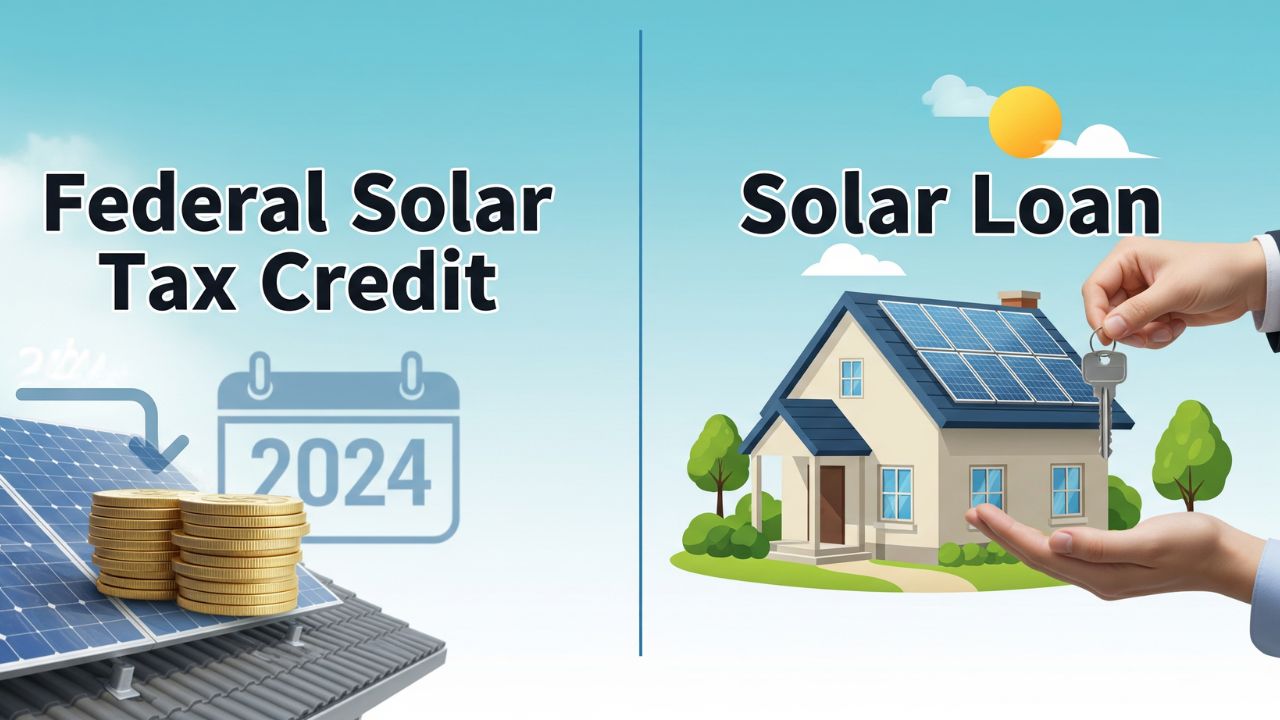
The combination of the Federal Solar Tax Credit (ITC) and modern solar loan programs has created one of the most cost-effective paths for homeowners to switch to renewable energy. With installation prices dropping and incentives stronger than ever, 2025 is the ideal year to finance a solar system while still capturing the full 30% clean energy credit. This guide explains how both benefits work together—and how homeowners can use them strategically to lower their total project cost and pay off their solar loan faster.
How the Federal Solar Tax Credit Works in 2025
The Federal Solar Tax Credit, often called the clean energy credit, allows homeowners to claim 30% of the total cost of their solar installation on their federal income taxes. This includes solar panels, inverters, batteries, labor, and supporting equipment.
The credit directly reduces your tax liability, meaning:
- If you owe taxes, the credit lowers what you owe.
- If the credit exceeds your tax liability, the unused portion rolls over to the following year.
There is no cap on the credit, and as long as the homeowner owns the solar system (not leased), they remain eligible.
In 2025, the credit remains at 30%, making this year one of the most financially advantageous for solar adoption.
Why Solar Loans Still Qualify for the 30% ITC
A common misconception is that only cash purchases qualify for the ITC, but this is incorrect. Homeowners using solar loans receive the same 30% tax credit, because the method of payment does not affect eligibility. The IRS considers you the owner of the system as long as the loan is not a lease or PPA (Power Purchase Agreement).
That means even when financing 100% of the installation, you can still claim:
- 30% of equipment
- 30% of installation labor
- 30% of energy-storage systems
- 30% of supporting hardware and wiring
This makes the combination of solar financing + federal credit one of the strongest clean-energy investment strategies available.
How to Use the Federal Solar Tax Credit to Pay Down Your Solar Loan
The smartest financial strategy for homeowners using solar loans is to apply the tax credit refund directly to their loan principal. This reduces interest, shortens the payoff timeline, and increases lifetime savings.
Here’s how the strategy works:
Step 1: Install Solar Using a Zero-Down or Low-Interest Solar Loan
Most banks and fintech lenders offer 0% down solar loans, allowing immediate installation without upfront costs.
Step 2: Claim the 30% ITC on Your Next Tax Return
When filing taxes, homeowners include the total solar cost on IRS Form 5695.
Step 3: Receive Your Tax Refund or Reduced Tax Liability
Depending on your tax situation, you’ll receive either:
- A direct refund, or
- A reduction in the taxes you owe
Step 4: Apply the Refund Toward the Loan Principal
By applying the ITC amount as a lump-sum payment:
- Total interest paid drops significantly
- Monthly payments may decrease (depending on lender)
- Homeowners often shave 3–6 years off a 20-year loan
This strategy maximizes the financial benefits of both the credit and the loan.
Read Also : Top-rated Solar Panel Companies Near Me Florida
The Financial Impact: Example of Combined Savings
Consider a typical $25,000 home solar system.
30% ITC Benefit
30% of $25,000 = $7,500 tax credit
Solar Loan Example
Assume a 20-year loan at 4.99% APR with zero down.
Without Using Tax Credit Strategically
Total interest over the life of the loan: ~$13,000
With Applying ITC to Principal
Applying the $7,500 refund toward the loan in the first year can:
- Cut interest by $4,000–$6,000
- Shorten payoff to roughly 12–15 years
- Save thousands in electricity costs annually
This single strategy delivers double-layer savings, combining loan flexibility with federal incentives.
Choosing the Best Solar Loan for Maximum ITC Savings
Not all solar loans deliver the same benefits. When combining a financing package with the federal tax credit, homeowners should look for:
1. No Prepayment Penalties
This allows you to apply the ITC refund without extra fees.
2. Fixed, Low APR
A stable interest rate protects you from market fluctuations.
3. Flexible Loan Terms (10–25 Years)
Shorter terms save interest; longer terms reduce monthly payments.
4. Zero-Down Options
Ideal for homeowners who don’t want upfront costs.
5. Loans Supporting Energy-Storage Systems
Batteries also qualify for the 30% ITC.
Top sources for these loans include national banks, credit unions, and fintech lenders specializing in clean energy financing.
Read Also : Solar Batteries for Homes: How Energy Storage is Revolutionizing Clean Power in 2025
Coordinating the Timing of Loans and Tax Credits
Homeowners should pay attention to timing when planning their installation and tax filings:
- Systems installed by December 31, 2025 qualify for that year’s credit.
- If you install late in the year, you still take the tax credit on your next filing—even if only a few months have passed.
- Unused tax credit portions roll over for multiple years until exhausted.
This ensures even homeowners with lower annual tax liability still receive the full benefit.
Avoiding Common Mistakes Homeowners Make
Mistake 1: Confusing Solar Loans With Leases
Only owned systems qualify for the ITC.
Mistake 2: Not Applying the ITC Refund to the Loan
Keeping the refund instead of reducing principal increases lifetime loan interest.
Mistake 3: Choosing High-Fee Lenders
Origination fees and high APRs erase long-term savings.
Mistake 4: Not Understanding State Incentives
Many states offer additional rebates that can also be applied to the loan.
Final Takeaway: The ITC + Solar Loan Strategy Is the Smartest Choice in 2025
The combination of the Federal Solar Tax Credit and a solar loan is one of the most cost-effective ways for homeowners to adopt renewable energy in 2025. By strategically applying the 30% tax credit to the loan principal, homeowners dramatically lower the total cost of going solar and accelerate the return on their clean-energy investment.
When done correctly, this approach delivers:
- Lower upfront costs
- Faster loan payoff
- Reduced lifetime interest
- Increased home value
- Long-term energy savings
In short, using a solar loan + ITC is not just a financing method—it’s a smart financial strategy for any homeowner ready to transition to clean energy.
If you’d like, I can also create meta titles, descriptions, FAQ sections, or schema markup for this article.
Related Posts