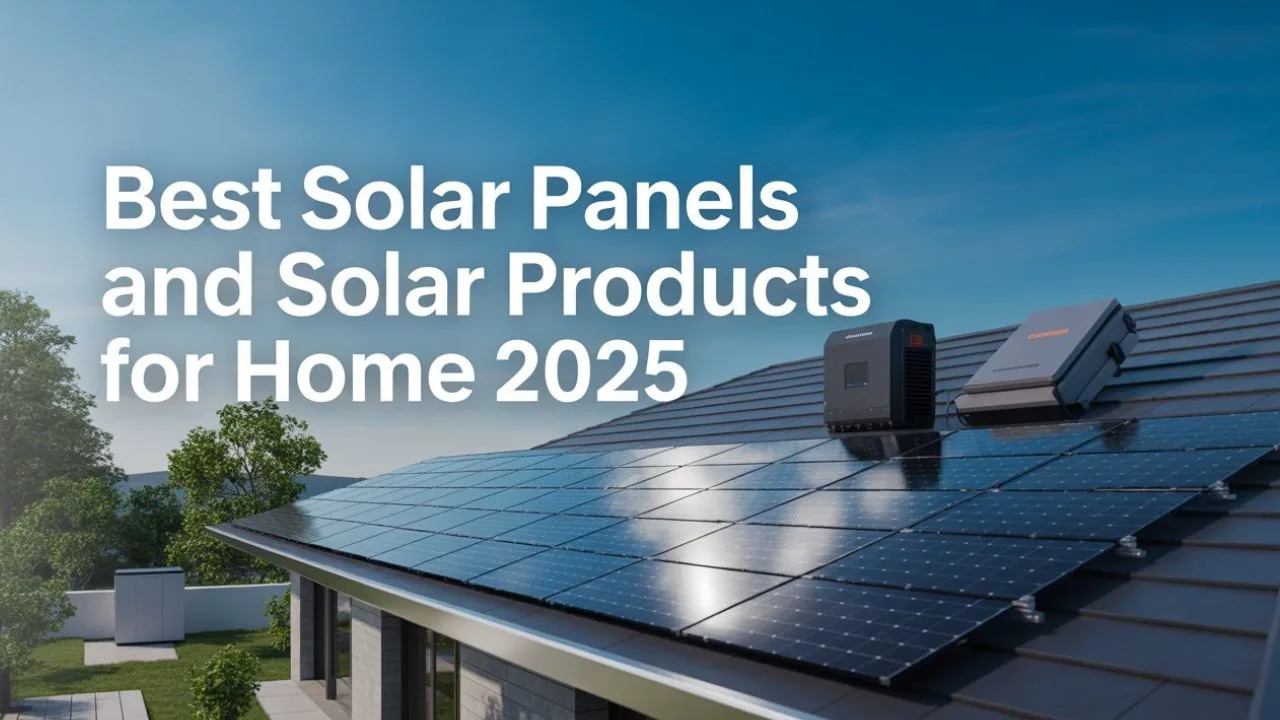
Discover the most efficient, affordable, and future-ready solar solutions designed to power modern homes sustainably.
Solar energy is no longer a futuristic concept reserved for large industries or remote power stations. In 2025, homeowners across the world are embracing solar panels and home solar products to reduce electricity bills, gain energy independence, and contribute to a cleaner planet. With improved technology, higher efficiency, and falling installation costs, solar solutions have now become a mainstream part of household energy planning.
This 1500-word guide explores everything you need to know about solar panels and products for home use — including types, benefits, cost considerations, installation tips, and the latest innovations shaping home solar systems today.
What Makes Solar Energy Ideal for Home Use?
Solar power is one of the most accessible forms of renewable energy. For households, it transforms rooftops, balconies, open yards, and even windows into power-generating assets. The shift toward home solar is driven by several compelling reasons:
- Drastic reduction in electricity bills
- Low maintenance and long lifespan (25+ years)
- Cleaner, greener power with zero emissions
- Increasing government subsidies, tax credits, and incentives
- Improved reliability with hybrid and battery-backed systems
- Rising electricity tariffs from grid suppliers
In addition, modern solar products are sleek, compact, and aesthetically designed, making them easy to integrate into homes of all sizes.
Read Also: Solar Farm Investment in 2025: A Complete Guide to Profiting from Clean Energy
Types of Solar Panels Suitable for Home Use
Not all solar panels are the same. Homeowners typically choose from three major types:
1. Monocrystalline Solar Panels (Mono Panels)
- Highest efficiency (18–23%)
- Long lifespan (up to 30 years)
- Best for small rooftops and limited space
- Premium cost but best performance
Monocrystalline panels are ideal for home users who want maximum output from a compact area.
2. Polycrystalline Solar Panels (Poly Panels)
- Moderate efficiency (15–18%)
- More affordable
- Great for larger rooftops
- Slightly lower performance in low light
Poly panels are popular for budget-friendly homeowners seeking reliable power generation.
3. Thin-Film Solar Panels
- Flexible, lightweight, and portable
- Low efficiency but versatile
- Best for sheds, portable systems, RVs, and small homes
Thin-film panels are ideal when weight, portability, or installation flexibility is needed.
Key Solar Products for Home Use in 2025
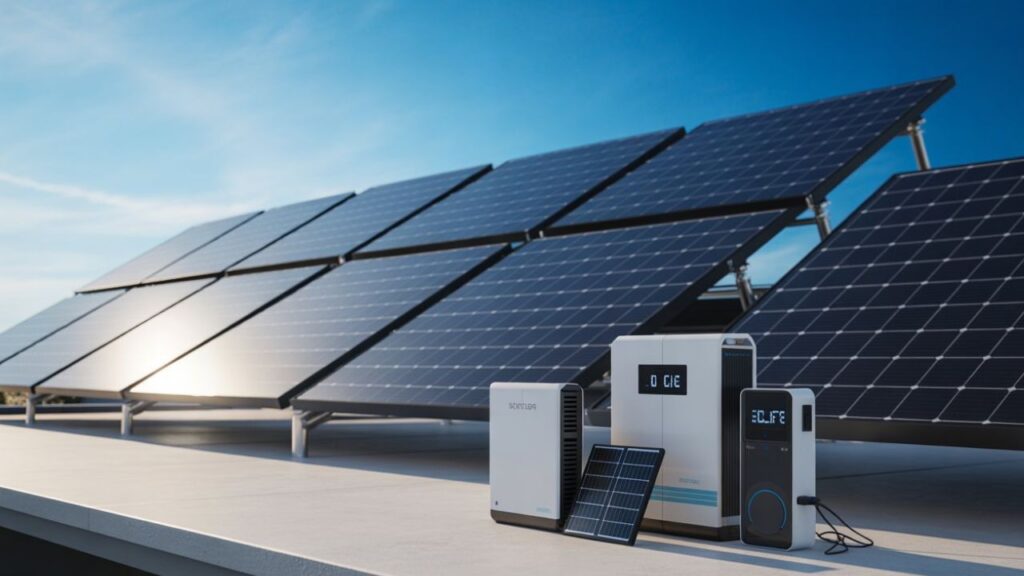
Solar technology for homes is now more than just rooftop panels. Modern home solar systems include various smart devices, each serving a unique purpose.
1. Solar Rooftop Systems
These are the most common residential solar setups and can be:
- On-grid: Connected to the electricity grid, ideal for reducing monthly bills
- Off-grid: Battery-powered systems suitable for areas with frequent outages
- Hybrid: A combination of grid connection and battery backup
Most homeowners choose hybrid systems for uninterrupted power and long-term savings.
2. Solar Inverters
An essential component of the solar setup, converting DC power to usable AC power.
Types:
- String Inverters — best for standard home rooftops
- Microinverters — higher efficiency, better performance in shade
- Hybrid Inverters — compatible with batteries
A good inverter can increase overall system efficiency by up to 15%.
3. Solar Batteries (Energy Storage Systems)
Modern lithium-ion batteries offer:
- 10–15 years lifespan
- High energy density
- Fast charging
- Compatible with home automation
Home solar batteries help store extra power generated during the day for use at night or during outages — a must-have in regions with unreliable electricity.
4. Solar Water Heaters
These systems use sunlight to heat water, reducing electricity or gas consumption significantly. They come in:
- Flat-plate collectors (FPC)
- Evacuated tube collectors (ETC)
Solar water heaters can cut water-heating costs by 60–70% annually.
5. Solar Fans and Solar Coolers
Eco-friendly alternatives to traditional cooling systems.
- Portable and energy-efficient
- Ideal for small rooms, farms, and outdoor use
- Perfect for off-grid locations
6. Solar Home Lighting Systems
Includes solar lamps, lanterns, garden lights, and wall-mounted outdoor lights.
- No wiring required
- Easy installation
- Great for reducing battery and electricity usage
7. Solar Power Banks and Portable Solar Chargers
Perfect for travel, camping, emergencies, or off-grid living. These devices charge phones, small appliances, and laptops using compact solar panels.
How Much Does a Home Solar System Cost in 2025?
The cost depends on size, location, installation, and battery choice. Below is an approximate guide:
| System Size | Suitable For | Average Cost (with Installation) | Monthly Savings |
| 1 kW | Small home/apartment | $800–$1,200 | $15–$25 |
| 2 kW | 2–3 people | $1,500–$2,000 | $30–$45 |
| 3 kW | Mid-size home | $2,300–$3,000 | $45–$70 |
| 5 kW | Large home | $3,800–$5,000 | $80–$120 |
| 10 kW | Premium homes | $7,500–$10,000 | $150–$250 |
Government rebates, tax credits, and net-metering policies can further reduce costs by 20–40%.
Benefits of Using Solar Panels in Your Home
1. Huge Savings on Electricity Bills
Most households recover their solar investment within 3–5 years.
2. Energy Independence
With batteries, homeowners can run essential appliances without depending solely on the grid.
3. Eco-Friendly Power
A 3 kW rooftop solar system reduces carbon emissions equal to planting 150+ trees per year.
4. Long-Term Reliability
Solar systems require minimal maintenance and last over 25 years.
5. Increased Property Value
Homes with solar installations sell 4–6% higher according to real estate data.
Key Factors to Consider Before Installing Solar at Home
1. Your Rooftop Type
Flat rooftops allow panels to face any direction, while inclined rooftops require optimal placement.
2. Sunlight Availability
Homes receiving 4–6 hours of sunlight per day produce ideal energy output.
3. Local Solar Policies
Check for:
- Net metering
- Subsidy eligibility
- Grid-connection rules
- Local solar dealer certifications
4. Quality of Components
Choose trusted brands for panels, inverters, and batteries to ensure long-term performance.
5. Installer Experience
A certified installer ensures proper wiring, safety, and maximum power production.
Latest Solar Innovations for Home Use in 2025
Solar technology has advanced rapidly. Key 2025 innovations include:
1. Solar Roof Tiles (Integrated Solar Roofs)
These replace traditional shingles and provide a sleek, modern look while generating power.
2. AI-Powered Solar Inverters
Smart inverters use machine learning to:
- Optimize power output
- Monitor energy flow
- Detect system issues automatically
3. High-Efficiency N-Type TOPCon Solar Cells
These panels produce 5–8% more power than traditional mono panels.
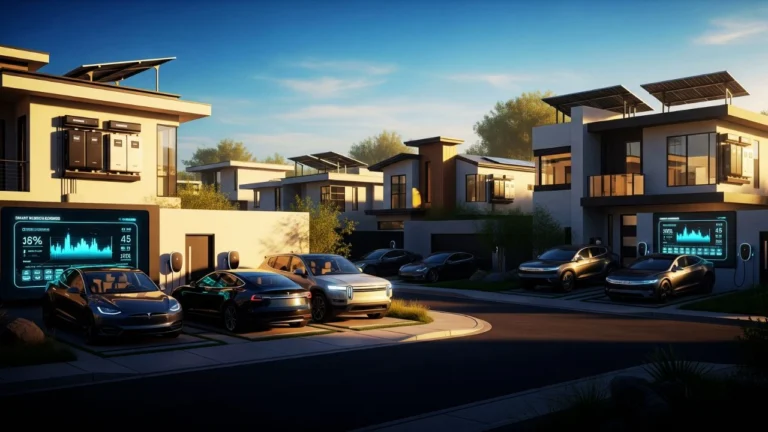
4. Solar + EV Charging Integration
Homes with electric cars can now power EVs directly from solar systems.
5. Solar-Powered Smart Home Gadgets
Including smart plugs, IoT-enabled sensors, and solar Wi-Fi systems.
These advancements make home solar systems more efficient, intelligent, and consumer-friendly.
Read Also: How To Choose The Best Solar Panel Installers Near Me 2026 Guide
Is Solar Energy Worth It for Homes in 2025?
Absolutely — and more than ever before. With rising electricity prices, improved solar efficiency, and government-backed incentives, switching to solar is both financially and environmentally rewarding.
Homeowners today are choosing solar not just to save money, but to gain energy control, boost property value, and embrace sustainable living. The future of home energy is clean, smart, and solar-powered.
Conclusion
Solar panels and home solar products have evolved into essential household technologies. From rooftop solar systems to portable chargers and water heaters, the options in 2025 are broader, more efficient, and more accessible. A well-planned solar installation can transform your home into a self-reliant, eco-friendly powerhouse — delivering savings, comfort, and long-term value.
As solar innovation continues to grow, embracing solar energy today means stepping confidently into a cleaner, smarter tomorrow.
Related Posts

2 thoughts on “Best Solar Panels and solar products for home 2025”