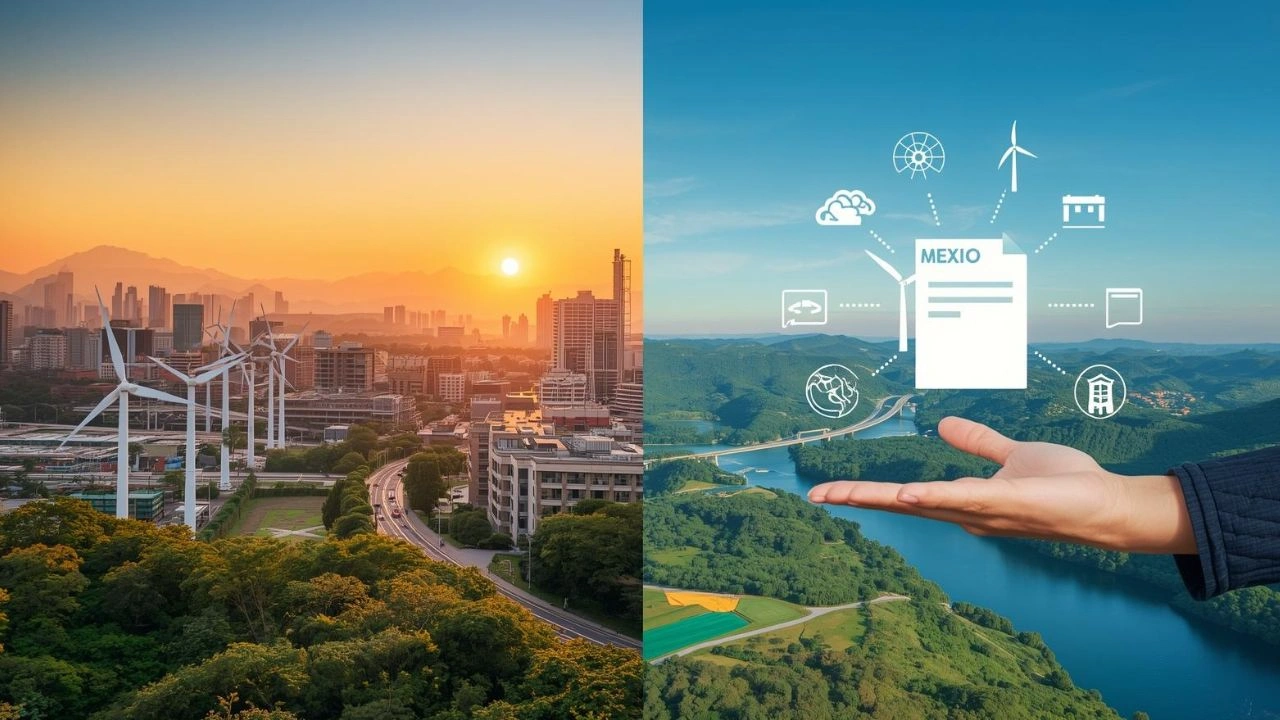
Mexico Renewable Energy: Mexico takes a decisive step toward clean power expansion, approving large-scale solar and wind projects nationwide.
Mexico has officially approved 20 new renewable energy generation projects with a combined installed capacity of 3,320 megawatts (MW), marking one of the most significant clean energy decisions in recent years. The move reinforces the country’s commitment to expanding renewable power, strengthening grid reliability, and encouraging private-sector investment in electricity generation.
The approval, announced by the Ministry of Energy (Sener), comes at a time when Mexico is seeking to balance energy security, economic growth, and environmental responsibility. By authorizing a mix of solar photovoltaic and wind power projects, the government signals a pragmatic approach to meeting rising electricity demand while reducing dependence on fossil fuels.
A Major Milestone in Mexico’s Renewable Energy Strategy
The newly approved projects represent a strategic milestone in Mexico’s evolving energy policy. After a period of regulatory uncertainty and slowed private investment, this decision provides much-needed clarity and momentum for renewable developers.
The projects were selected following an October call for proposals, which aimed to identify viable generation initiatives that could be integrated into the national grid without compromising system stability. In total, 20 projects successfully met technical, financial, and regulatory requirements, earning approval to move forward.
This development is widely seen as a positive signal to investors, utilities, and energy companies that renewable energy remains a core component of Mexico’s power strategy, even as the state-owned utility continues to play a dominant role in the sector.
Read Also: NTPC Commissions 359.58 MW Solar Capacity, Strengthening India’s Clean Energy Push
Solar and Wind Projects Lead the Expansion
A closer look at the approved portfolio reveals a clear emphasis on solar photovoltaic (PV) generation, supported by a smaller but strategically important share of wind energy.
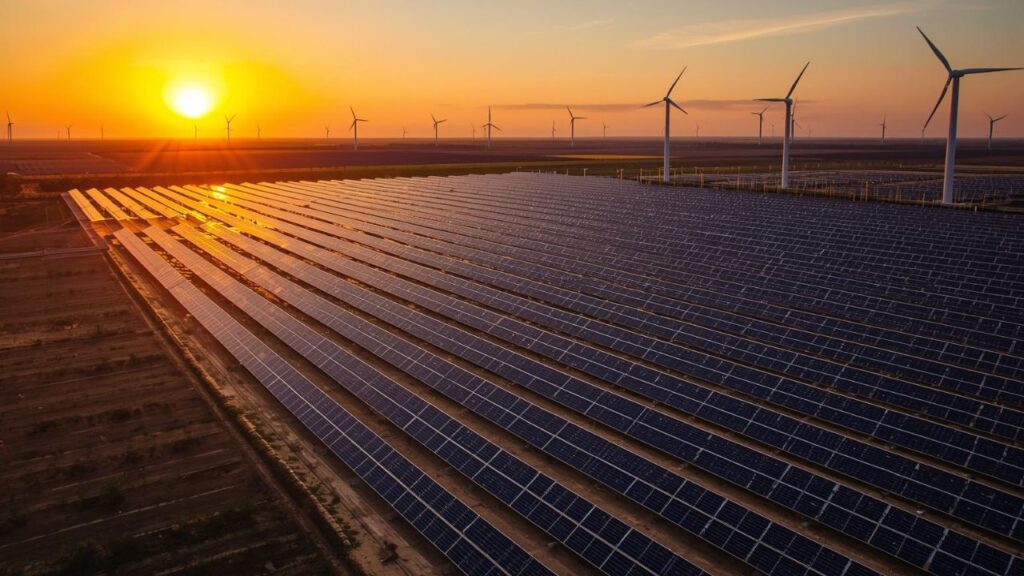
Out of the 20 projects:
- 15 solar photovoltaic plants will contribute approximately 2,471 MW
- 5 wind power projects will add around 849 MW
This distribution reflects Mexico’s natural resource advantages, particularly its high solar irradiation levels across much of the country. Solar energy has become increasingly cost-competitive, making it an attractive option for large-scale deployment.
At the same time, wind energy continues to play a crucial role, especially in regions with consistently strong wind conditions. Together, these technologies create a more diversified and resilient renewable energy mix.
Geographic Distribution and Regional Impact
While specific project locations vary, the approved developments are expected to be spread across multiple states, maximizing regional benefits and reducing transmission bottlenecks.
Solar projects are likely to be concentrated in areas with high sunlight exposure, such as northern and central Mexico, where large tracts of land and favorable climatic conditions support utility-scale PV plants. Wind projects, meanwhile, are expected in regions known for strong wind resources, including parts of southern and coastal Mexico.
This geographic spread not only enhances grid stability but also delivers local economic benefits, including job creation, infrastructure investment, and increased tax revenues for host communities.
Private Investment Drives the New Capacity
One of the most notable aspects of this announcement is the strong role of private capital. The combined investment required for the 20 projects is estimated at approximately USD 4.75 billion, underscoring significant interest from domestic and international investors.
This level of investment highlights growing confidence in Mexico’s renewable energy potential, even amid broader debates over energy policy. Developers view the country as a market with strong fundamentals: rising electricity demand, abundant renewable resources, and long-term decarbonization needs.
By approving these projects, the government demonstrates that private participation remains essential to expanding generation capacity and modernizing the power system.
Expected Timelines and Project Development Phases
Most of the approve projects are expect to begin construction in 2026, following the completion of detailed engineering studies, financing arrangements, and permitting processes.
Commercial operation is project between 2027 and 2029, depending on project size, location, and grid interconnection requirements. Larger solar and wind plants typically require multiple years to move from approval to full operation, particularly when transmission upgrades are need.
Once operational, the projects will collectively generate enough electricity to power millions of homes, significantly boosting Mexico’s clean energy output and reducing greenhouse gas emissions.
Grid Integration and System Reliability
Integrating 3,320 MW of variable renewable energy presents both opportunities and challenges. Solar and wind generation depend on weather conditions, requiring careful planning to maintain grid stability.
Mexican authorities have emphasized that all approved projects comply with technical interconnection standards, ensuring they can operate safely within the national electricity system. In some cases, developers may be require to invest in grid upgrades or advance control systems to support voltage regulation and frequency stability.
The approvals also align with broader discussions around energy storage, demand management, and smart grid solutions, which are increasingly important as renewable penetration grows.
A Signal of Policy Balance and Pragmatism
The decision to approve these projects is widely interprete as a sign of policy pragmatism. Rather than pursuing an exclusively state-led generation model, the government appears to recognize the necessity of combining public oversight with private investment.
By selectively approving projects that align with national priorities, authorities can maintain control over system planning while still leveraging private-sector efficiency, technology, and capital.
This balanced approach may help ease tensions between government institutions, private developers, and international stakeholders, creating a more predictable investment environment going forward.
Environmental and Climate Benefits
From an environmental perspective, the addition of 3,320 MW of renewable capacity represents a significant reduction in carbon emissions compared to fossil fuel-based generation.
Solar and wind plants produce electricity without direct emissions, helping Mexico progress toward its climate commitments and international sustainability goals. Over their operational lifetimes, these projects are expect to displace millions of tons of carbon dioxide emissions.
Beyond climate impacts, renewable energy projects also reduce air pollution, water consumption, and reliance on imported fuels, delivering broader environmental and public health benefits.
Economic Growth and Job Creation
Renewable energy development is not only an environmental strategy but also an economic growth driver. During construction, each project will require skilled and unskilled labor, generating thousands of temporary jobs across engineering, logistics, and construction sectors.
Once operational, the plants will support permanent positions in operations, maintenance, and security. Additionally, local suppliers and service providers are likely to benefit from increased economic activity in surrounding areas.
These economic impacts are particularly valuable in rural and semi-rural regions, where large-scale renewable projects often become key sources of employment and infrastructure investment.
Read Also: Photovoltaic Systems in Hotels: Milleproroghe 2025 Opportunity for Italy’s Hospitality Sector
Looking Ahead: Future Renewable Rounds
Authorities have indicated that this approval round is not the end of Mexico’s renewable expansion plans. A new call for proposals is expect in the coming months, potentially including not only generation projects but also battery energy storage systems.
Energy storage will be critical for managing intermittency, improving grid flexibility, and enabling higher levels of renewable penetration. By pairing new generation with storage solutions, Mexico can further enhance system resilience and reliability.
The success of this round will likely influence the scope and design of future tenders, shaping the next phase of the country’s energy transition.
Implications for Mexico’s Energy Transition
Taken together, the approval of these 20 projects sends a clear message: renewable energy remains central to Mexico’s long-term power strategy.
While challenges remain — including grid constraints, regulatory consistency, and market design — this decision demonstrates that progress is possible through targeted approvals and structured planning.
As global energy markets continue to evolve, Mexico’s ability to harness its renewable resources will play a crucial role in ensuring affordable, reliable, and sustainable electricity for decades to come.
Related Posts