Energy costs are rising globally, and households are increasingly searching for affordable and sustainable alternatives for daily needs. One of the most promising solutions is the solar stove, a simple technology that uses sunlight to cook food without gas, electricity, or traditional fuels.
Solar cooking is not only environmentally friendly but also extremely cost-effective. By harnessing the power of the sun, families can prepare meals while reducing energy expenses and carbon emissions.
In countries with abundant sunshine like India, solar stoves have the potential to transform how people cook. With more than 300 sunny days each year in many regions, solar cooking can provide a reliable and clean energy solution for millions of households.
What is a Solar Stove?
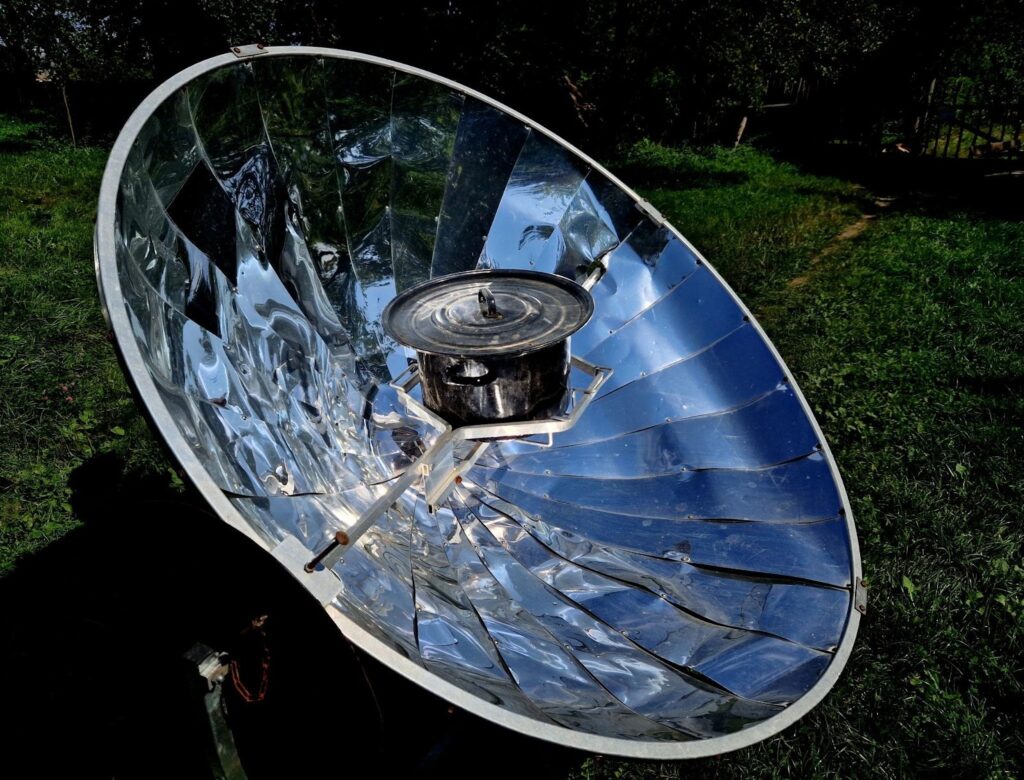
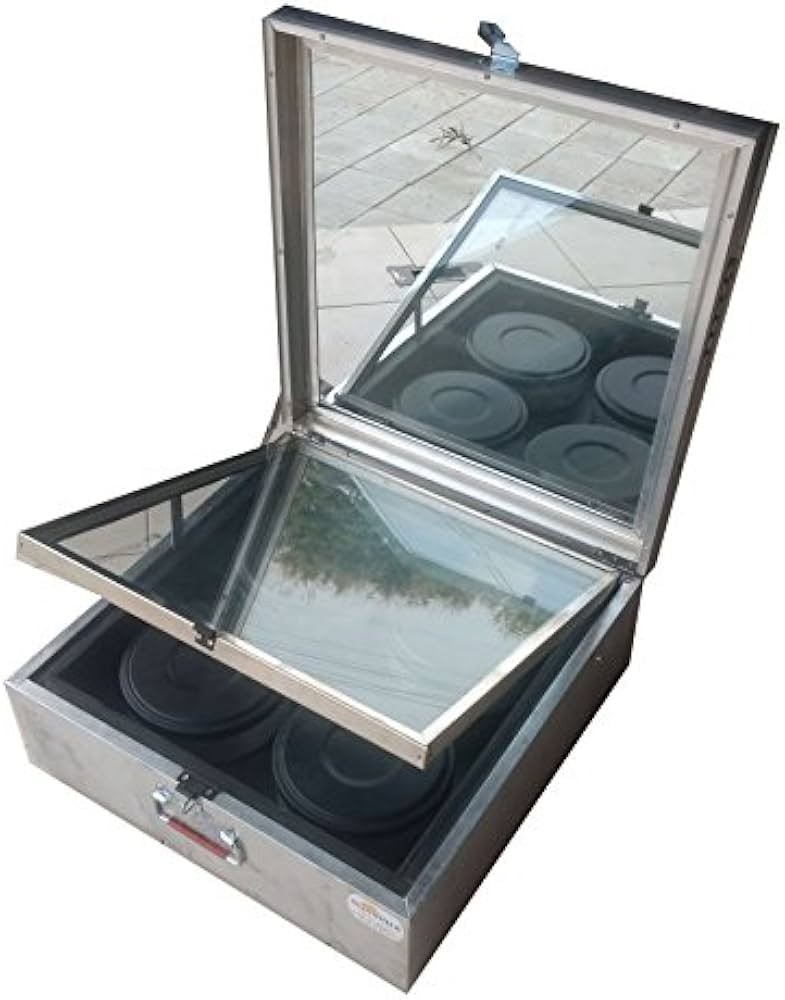
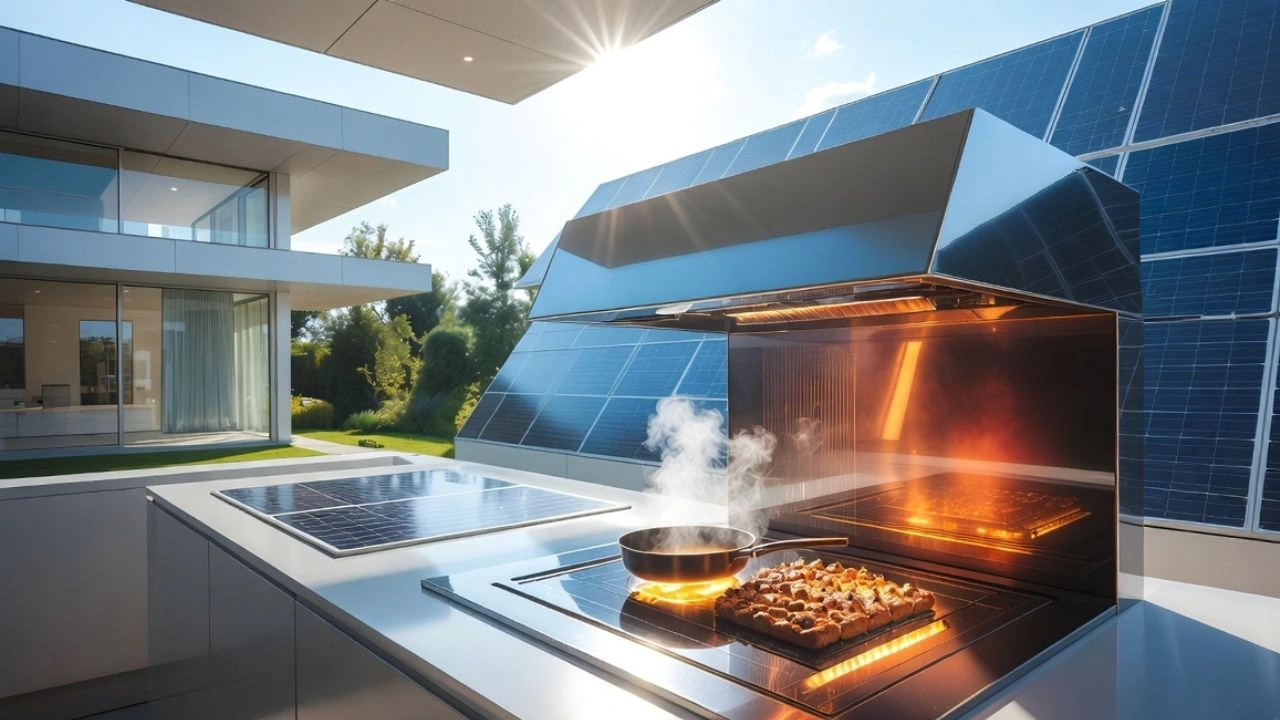
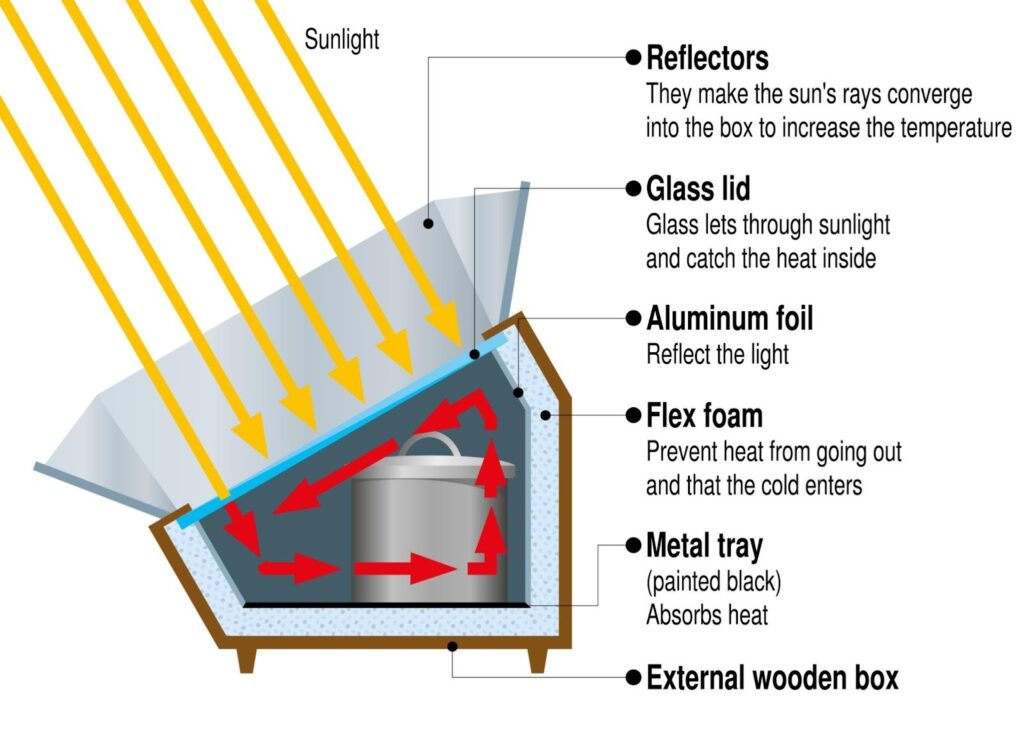
A solar stove, also called a solar cooker, is a device designed to use sunlight to generate heat for cooking food. It works by concentrating sunlight using reflective surfaces and trapping heat inside an insulated chamber.
The trapped solar energy creates temperatures high enough to cook many types of meals.
Common foods cooked using solar stoves include:
- Rice
- Lentils (dal)
- Vegetables
- Soup
- Eggs
- Bread or baked foods
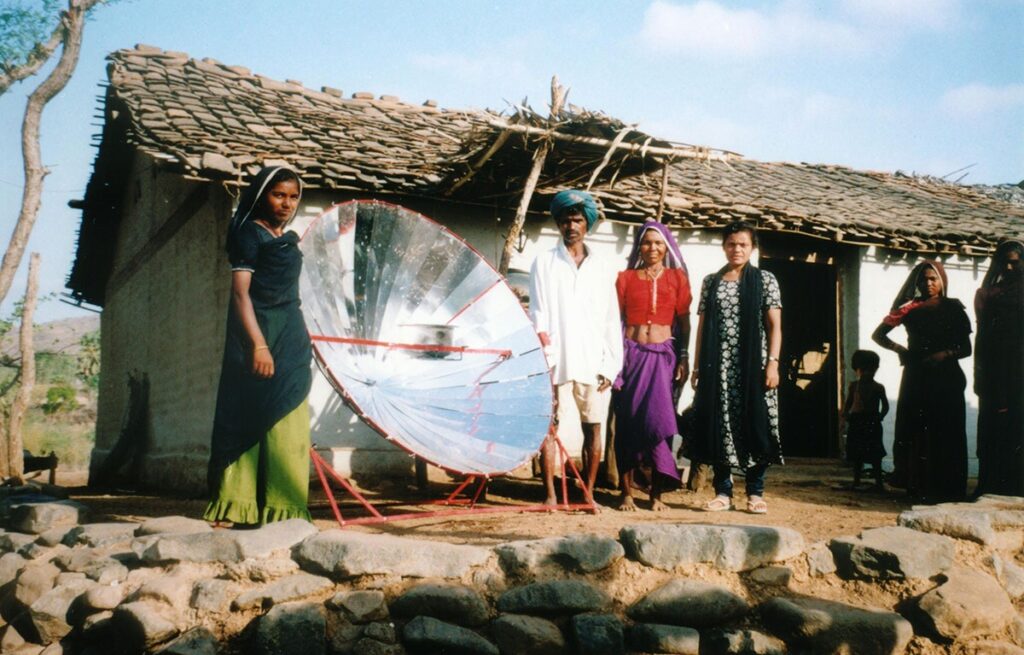
Some advanced solar cookers can reach temperatures between 150°C and 300°C, making them suitable for boiling, steaming, baking, and even frying.
Read Also: This New Device Could Solve One of India’s Biggest Power Problems
How Solar Cooking Works
Solar cookers use three basic scientific principles:
1. Reflection
Mirrors or reflective panels concentrate sunlight toward a cooking container.
2. Absorption
Dark cooking pots absorb solar heat and convert it into thermal energy.
3. Heat Retention
Glass lids and insulated boxes trap heat inside the cooker, allowing food to cook efficiently.
This combination allows solar cookers to produce enough heat to prepare complete meals using only sunlight.
Types of Solar Stoves
Box Solar Cooker
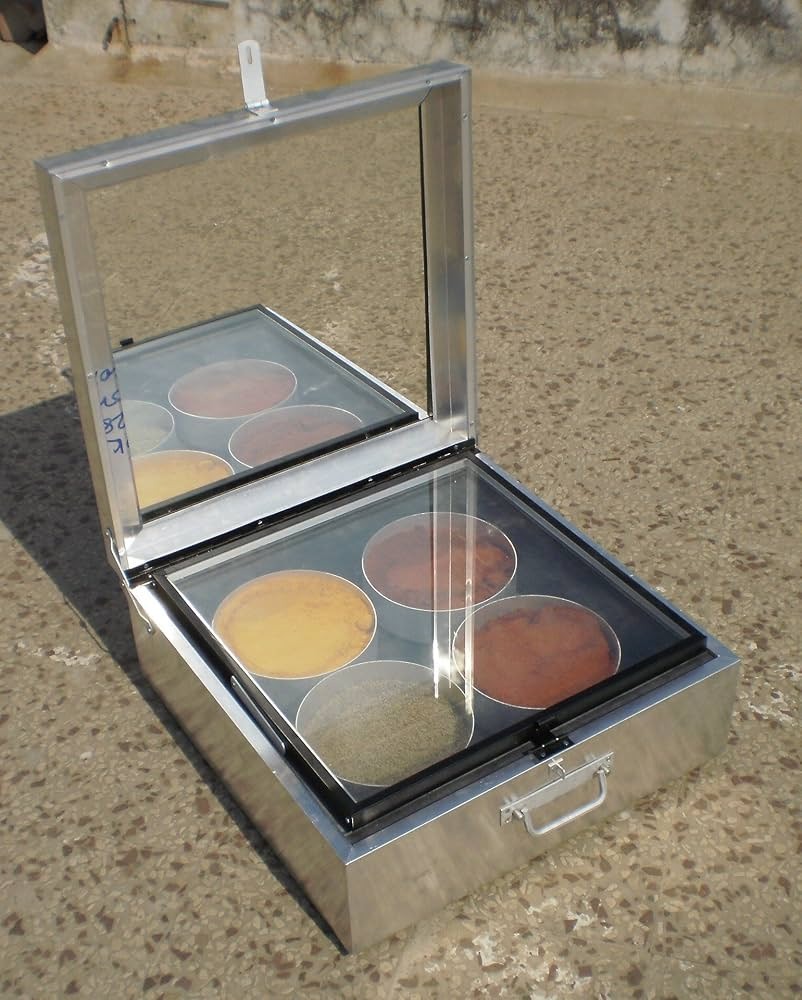
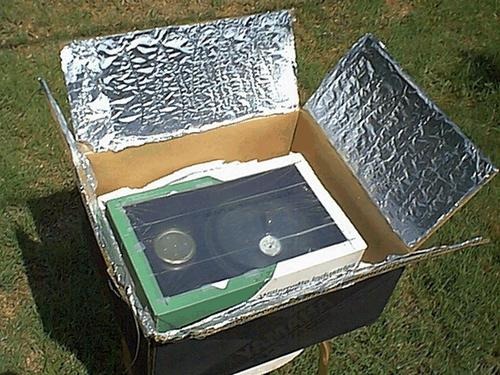
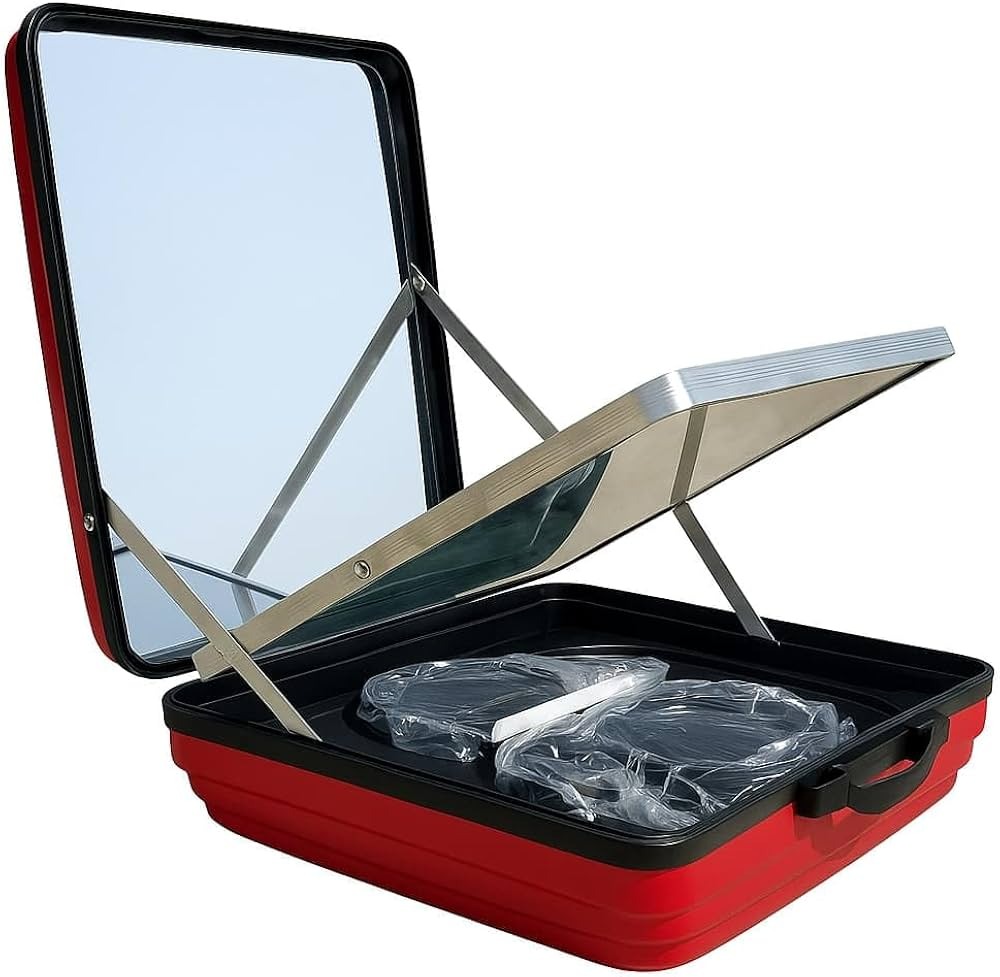
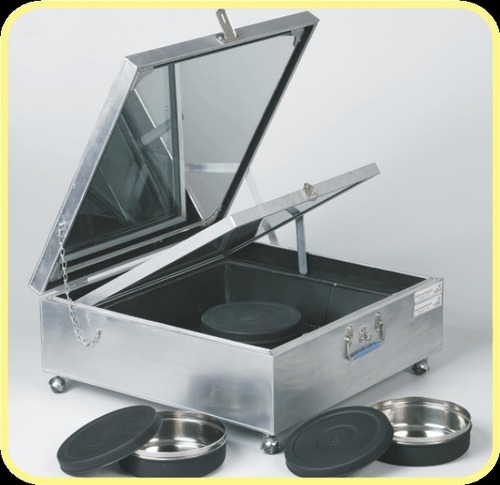
The box solar cooker is the most common type used by households.
Key Features
- Insulated box with glass cover
- Reflective panel to increase sunlight
- Slow and steady cooking
- Safe and easy to operate
This type of cooker is ideal for cooking rice, lentils, vegetables, and other slow-cooked meals.
Parabolic Solar Cooker
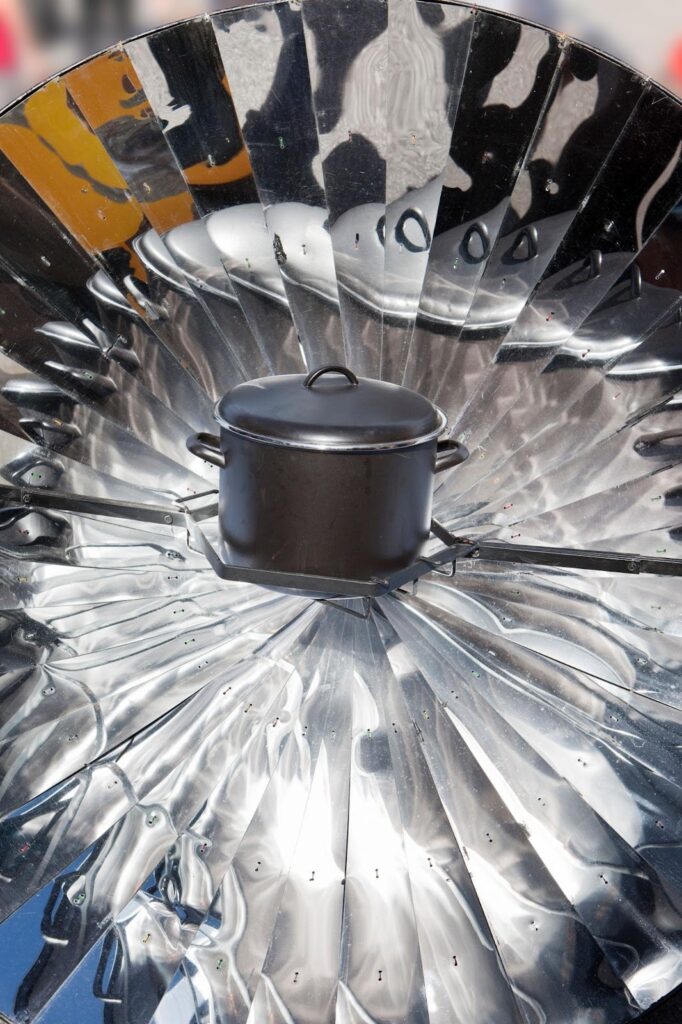
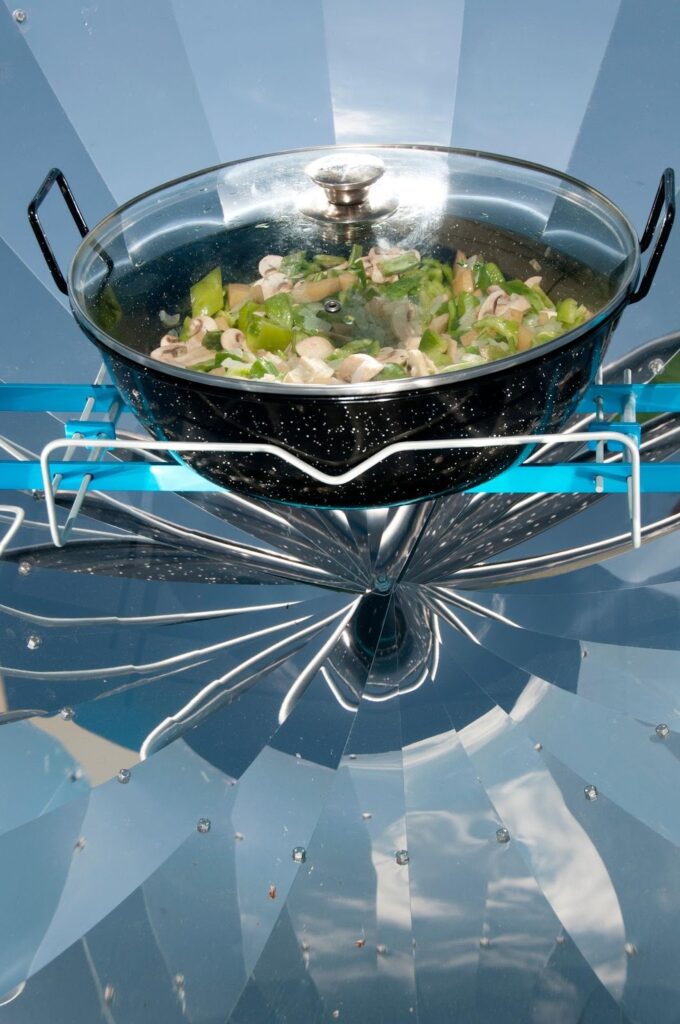
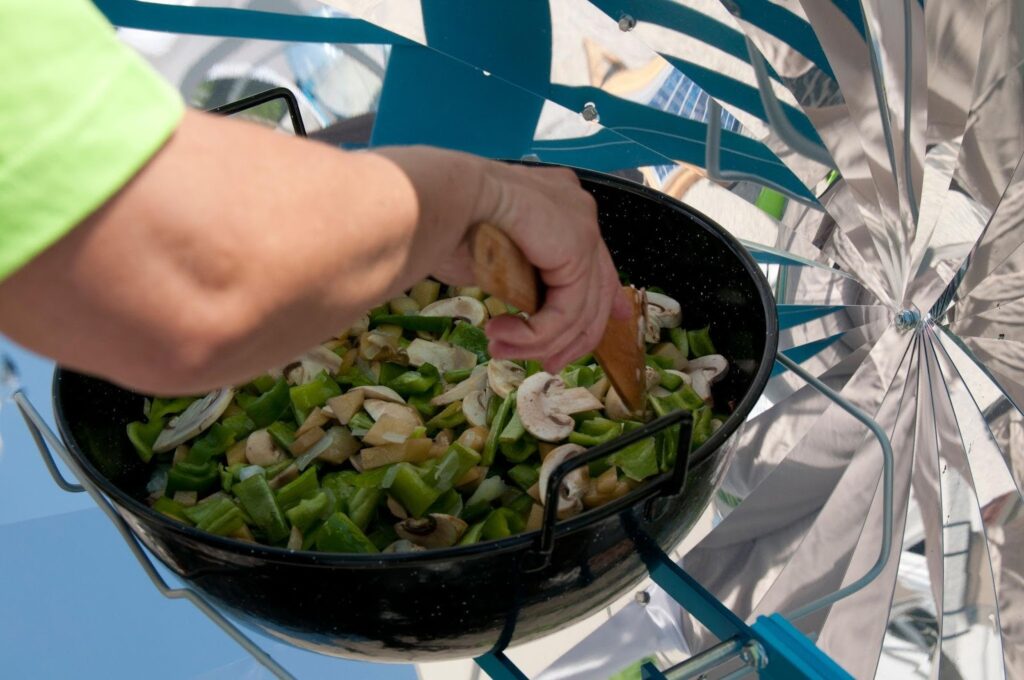
Parabolic solar cookers use a large curved dish to focus sunlight onto a cooking pot.
Advantages
- Very high cooking temperatures
- Faster cooking times
- Suitable for frying and boiling
These cookers are commonly used in community kitchens and outdoor cooking setups.
Read Also: India’s Solar Agency SECI: How It Is Powering the Country’s Clean Energy Future
Panel Solar Cooker

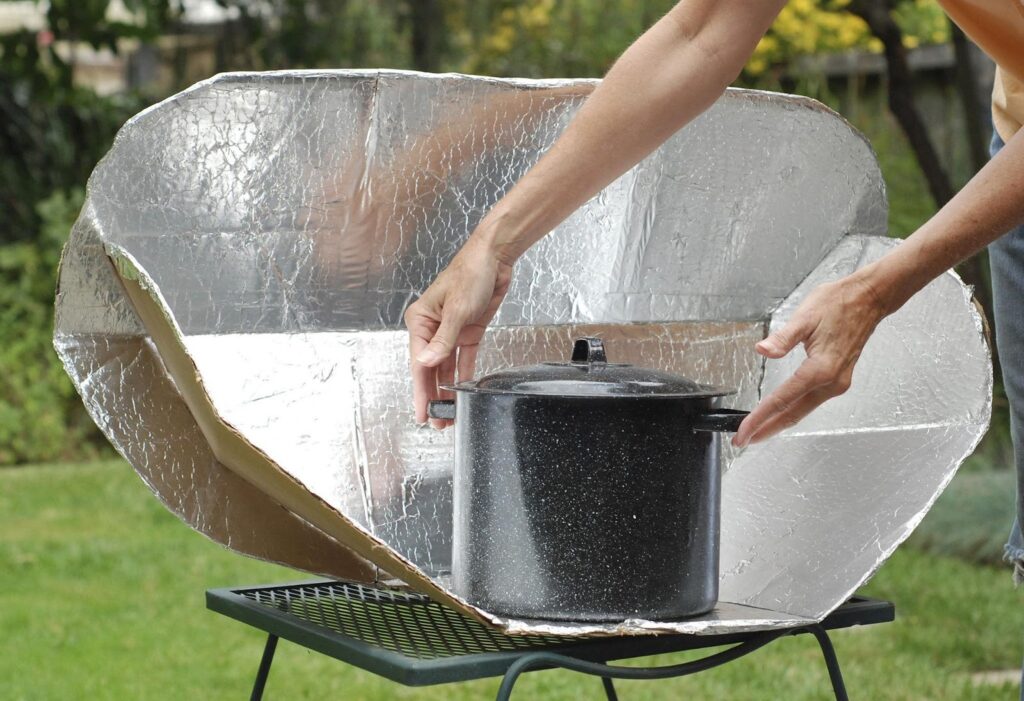
Panel cookers are lightweight and portable solar cooking devices.
Benefits
- Low cost
- Easy to transport
- Simple construction
- Ideal for camping and outdoor cooking
Many people build panel solar cookers using DIY materials.
Major Benefits of Solar Stoves
Free Cooking Energy
Solar cookers use sunlight, which means there is no fuel cost.
Reduced Energy Bills
Families can significantly reduce spending on LPG cylinders or electricity.
Environmentally Friendly
Solar cooking produces zero emissions and reduces pollution.
Cleaner Indoor Air
Unlike wood or coal stoves, solar cookers produce no smoke, improving indoor air quality.
Useful in Remote Areas
Solar cookers can be very helpful in rural areas where fuel or electricity is limited.
Solar Cooking Potential in India
India has enormous potential for solar cooking because of its high solar radiation levels.
According to renewable energy experts, solar cooking could help reduce dependence on traditional fuels and improve sustainability.
Organizations such as the Solar Energy Corporation of India are actively supporting solar energy development through various renewable initiatives.
With increasing awareness and technological improvements, solar cooking could become an important part of India’s clean energy future.
Challenges of Solar Cooking
Although solar cookers offer many advantages, there are some practical limitations.
Weather Conditions
Cloudy or rainy days can reduce solar cooking efficiency.
Cooking Time
Some solar cookers take longer than gas stoves.
Daylight Dependency
Solar cooking works best during sunny daytime hours.
Despite these limitations, solar stoves are excellent supplementary cooking tools that can significantly reduce fuel usage.
Innovations in Solar Cooking Technology
Solar cooking technology is evolving rapidly. New designs and innovations are making solar cookers more efficient and user-friendly.
Some emerging technologies include:
- Hybrid solar-electric cookers
- Solar ovens with heat storage systems
- Portable solar cooking devices
- Smart solar kitchens
These innovations could make solar cooking more practical for everyday use.
Why Solar Cooking Could Become More Popular
Several global trends are increasing interest in solar cooking:
- Rising energy prices
- Growing environmental awareness
- Demand for renewable energy solutions
- Interest in sustainable living
As these trends continue, solar stoves may become a common household appliance in many sunny regions around the world.
Conclusion
Solar stoves represent a simple yet powerful renewable energy technology that can transform the way people cook. By using sunlight instead of traditional fuels, households can reduce energy costs, lower pollution, and promote sustainable living.
With abundant sunlight and growing renewable energy awareness, solar cooking has the potential to become an important part of future kitchens.
Adopting solar stoves is not only a smart financial decision but also a meaningful step toward a cleaner and more sustainable world.
Related Posts