The University of Hawaii is installing solar carports with battery storage to cut energy costs and boost resilience. Learn project details, benefits, costs, and lessons for campuses and businesses.
Project Overview: A Major Step Toward Energy Independence
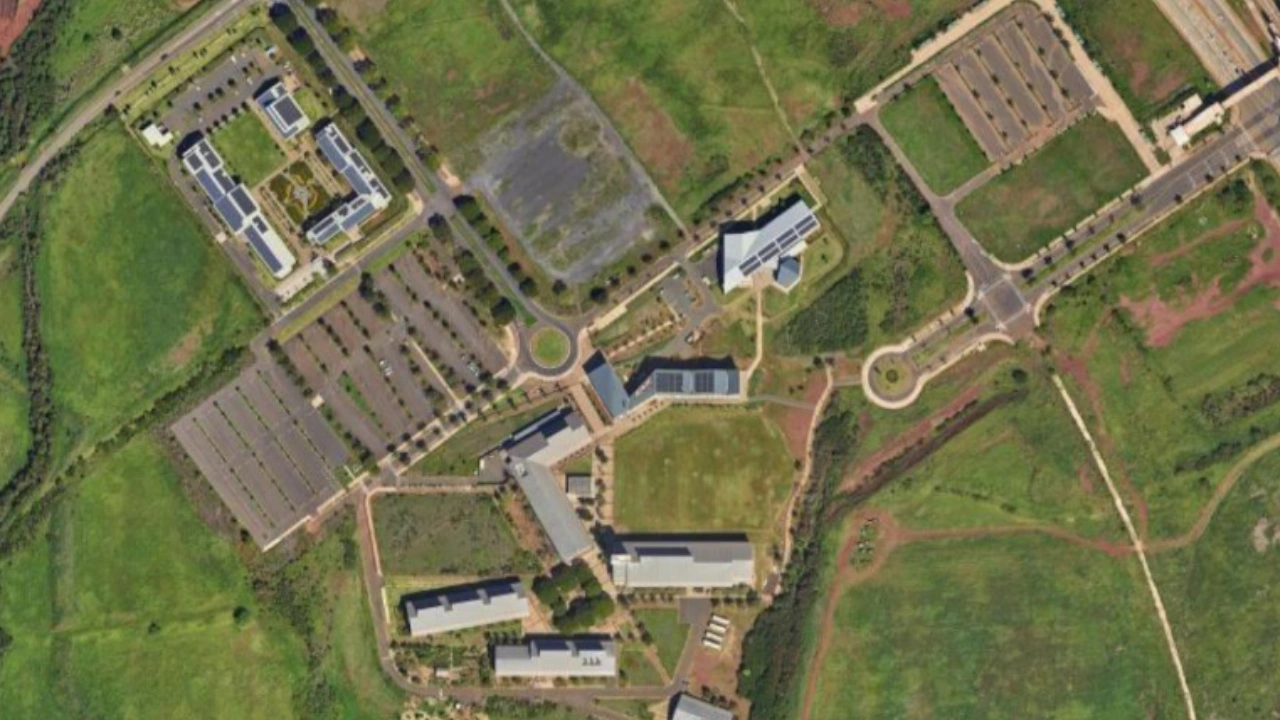
The University of Hawaii–West Oʻahu has announced an ambitious clean energy project that reflects a growing global trend: using parking spaces to generate renewable electricity. Instead of leaving large parking areas unused, the university will install solar carports combined with battery storage, transforming everyday infrastructure into a powerful energy asset.
This project represents more than just a campus upgrade. It demonstrates how institutions can reduce electricity costs, improve energy reliability, and meet sustainability goals at the same time. With energy prices rising worldwide, many universities, hospitals, and commercial facilities are now exploring similar solutions.
Construction is scheduled to begin in August 2026, and once completed, the system will help the campus move closer to its long-term net-zero energy target.
What Are Solar Carports and Why Are They Becoming Popular?
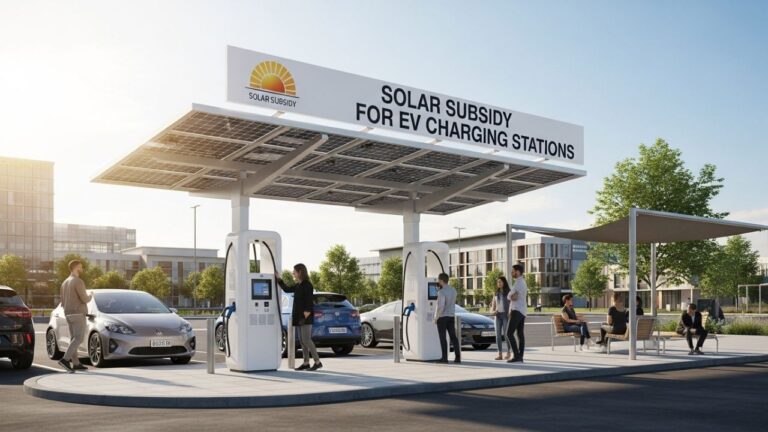
Solar carports are structures installed over parking lots that support solar panels while providing shade for vehicles. Unlike rooftop systems, carports use existing open space, making them ideal for campuses, shopping centers, and office complexes.
Here are the key reasons solar carports are gaining popularity:
1. Efficient Use of Space
Parking lots often occupy large areas. Solar carports turn these spaces into energy-generating assets without requiring additional land.
2. Reduced Electricity Costs
Organizations can generate their own power, lowering monthly energy bills and protecting against future price increases.
3. Vehicle Protection
Carports provide shade, keeping vehicles cooler and reducing interior heat buildup.
4. Support for Electric Vehicles (EVs)
Solar carports can easily integrate EV charging stations, supporting the transition to clean transportation.
5. Improved Sustainability Image
Institutions that invest in renewable energy demonstrate environmental leadership, which attracts students, customers, and investors.
Read Also: Residential Solar Financing Options USA 2026 – Loans, Leases, PPA & Cost Guide
System Capacity and Energy Production
The University of Hawaii solar carport system is designed to produce a significant amount of clean electricity every year. According to project estimates, the system will generate approximately:
2.38 million kilowatt-hours (kWh) of electricity annually
To understand the scale of this production:
- It can power roughly 270 average homes per year
- It will support about 50% of the campus’s net-zero energy requirement
- It will offset 100% of the campus cooling load
Cooling systems are one of the largest energy consumers in warm climates. By powering these systems with solar energy, the university can dramatically reduce operating costs and carbon emissions.
The Role of Battery Storage in Modern Solar Projects
One of the most important features of this project is the addition of a battery energy storage system (BESS). While solar panels generate electricity during the day, energy demand continues at night and during cloudy weather. Battery storage solves this problem.
Key Benefits of Battery Storage
Energy Reliability
Battery systems store excess solar energy for use when sunlight is unavailable.
Backup Power During Outages
In emergencies or grid failures, the battery can keep essential systems running.
Lower Peak Demand Charges
Many utilities charge higher rates during peak hours. Batteries allow organizations to use stored energy instead of expensive grid electricity.
Grid Stability
Battery storage helps balance electricity supply and demand, reducing stress on the power grid.
For island regions like Hawaii, where energy reliability is critical, battery storage is especially valuable.
Project Investment and Funding Structure
The total investment for the University of Hawaii solar carport project is approximately:
$14 million
Funding for the project comes from a combination of sources, including:
- Campus capital funding
- State infrastructure investment
- Federal renewable energy incentives
This diversified funding approach reduces financial risk while accelerating the adoption of clean energy technologies.
Many governments around the world offer similar incentives, making solar carports increasingly affordable for institutions and businesses.
Environmental Impact and Sustainability Benefits
The environmental benefits of solar carports extend far beyond electricity savings. By generating clean energy on-site, the university can significantly reduce greenhouse gas emissions and reliance on fossil fuels.
Expected Sustainability Outcomes
Reduced Carbon Emissions
Solar energy produces no direct emissions, helping combat climate change.
Lower Energy Consumption From Fossil Fuels
Renewable energy reduces dependence on imported fuel sources.
Improved Air Quality
Cleaner energy leads to healthier communities.
Long-Term Cost Stability
Solar energy provides predictable electricity costs for decades.
These benefits align with global climate targets and sustainability commitments adopted by universities and governments worldwide.
Why This Project Matters for Universities and Businesses
The University of Hawaii solar carport project offers valuable lessons for other institutions considering renewable energy investments.
Key Takeaways
1. Parking Lots Are Valuable Assets
Unused parking space can become a reliable source of clean electricity.
2. Battery Storage Is Becoming Essential
Energy storage improves reliability and maximizes solar system performance.
3. Renewable Energy Reduces Long-Term Costs
Although installation requires upfront investment, operational savings accumulate over time.
4. Sustainability Enhances Reputation
Organizations that adopt renewable energy demonstrate leadership and responsibility.
These insights are particularly relevant for:
- Universities and schools
- Hospitals and healthcare facilities
- Shopping malls and commercial centers
- Manufacturing plants
- Government buildings
Read Also: solar tax credit 2026 USA: How Much You Can Save?
Global Trend: Solar Carports and Energy Storage Expansion
Solar carports are no longer a niche technology. They are becoming a mainstream solution across industries.
Key Market Trends
Rapid Growth in Solar Installations
Businesses and institutions are increasingly investing in on-site renewable energy.
Rising Demand for Energy Resilience
Extreme weather and grid disruptions are driving interest in backup power solutions.
Falling Battery Costs
Advancements in technology are making energy storage more affordable.
Government Incentives
Tax credits and subsidies continue to accelerate adoption.
Experts predict that solar carports combined with battery storage will become a standard feature in large facilities over the next decade.
How Organizations Can Implement Similar Solar Projects
If your organization is considering a solar carport system, the following steps can help ensure success:
Step 1: Conduct an Energy Assessment
Analyze current electricity usage and peak demand.
Step 2: Evaluate Available Space
Identify parking areas suitable for solar installation.
Step 3: Explore Incentives and Financing
Research tax credits, grants, and financing options.
Step 4: Choose Experienced Installers
Work with certified solar professionals.
Step 5: Plan for Battery Storage
Integrate energy storage to maximize reliability and savings.
Following these steps can significantly improve project performance and return on investment.
The Future of Campus Energy Systems
The University of Hawaii solar carport project reflects a broader shift toward decentralized energy systems. Instead of relying solely on traditional power plants, organizations are generating electricity directly where it is needed.
This approach improves:
- Energy security
- Cost efficiency
- Environmental sustainability
- Operational resilience
As technology continues to evolve, solar energy and battery storage will play an increasingly important role in powering campuses, businesses, and communities.
Final Thoughts
The University of Hawaii solar carport project demonstrates how innovative infrastructure can deliver practical, long-term benefits. By combining solar panels with battery storage, the university is reducing energy costs, improving reliability, and advancing sustainability goals.
For organizations seeking a proven renewable energy strategy, solar carports represent one of the most effective and scalable solutions available today.
High-quality projects like this are not just investments in technology—they are investments in a cleaner, more resilient future.
Related Posts