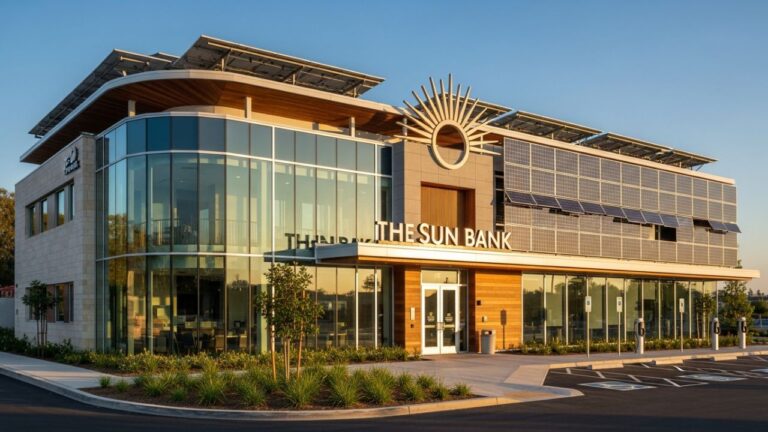
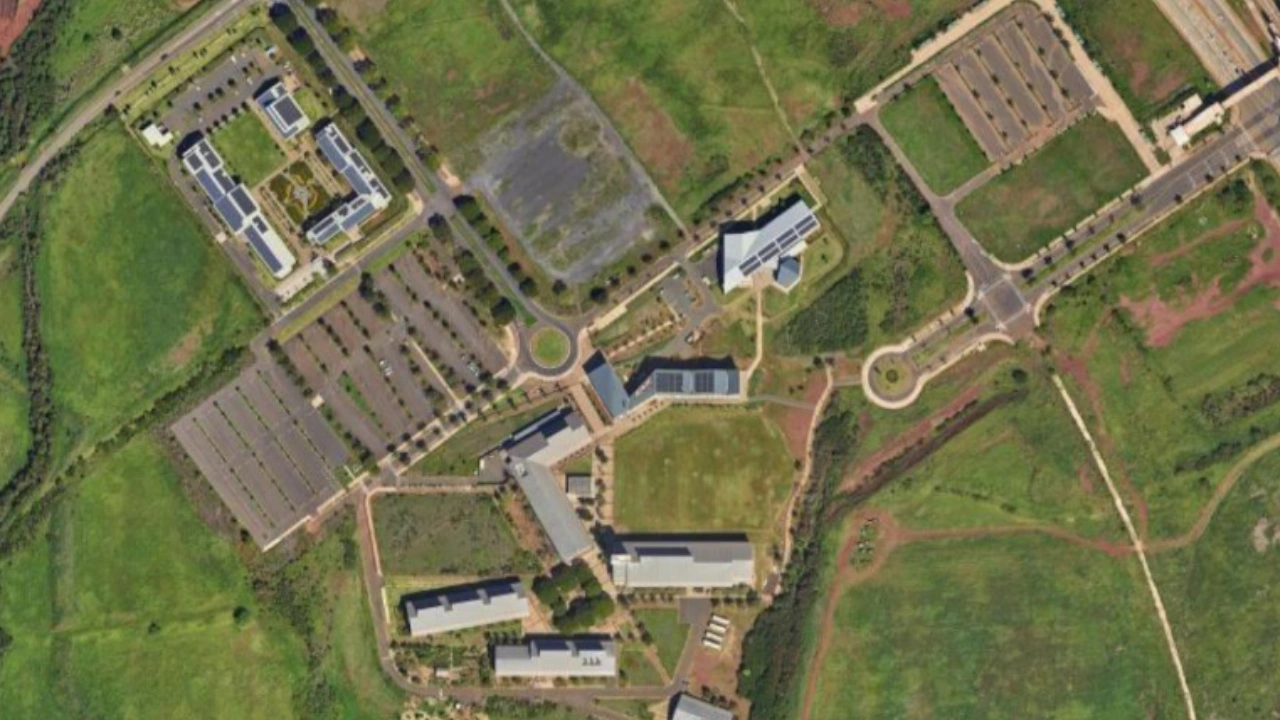
The University of Hawaii–West Oʻahu has announced an ambitious clean energy project that reflects a growing global trend: transforming underutilized parking lots into powerful energy assets. By installing solar carports paired with battery storage, the university is not just cutting costs but creating a blueprint for institutional energy resilience.
This project, with construction slated to begin in August 2026, is more than a campus upgrade. It is a case study in how organizations can tackle rising energy prices, improve grid reliability, and meet aggressive sustainability goals. With similar projects being explored by universities, hospitals, and commercial facilities worldwide, understanding the University of Hawaii’s approach offers valuable lessons.
Project Scope: A Data-Driven Look at the System
The project’s scale is impressive and speaks to its potential impact. Here is a breakdown of the critical specifications:
| Metric | Detail |
|---|---|
| Annual Energy Generation | 2.38 million kilowatt-hours (kWh) |
| Campus Energy Offset | Approximately 50% of the net-zero energy requirement |
| Specific Load Offset | 100% of the campus cooling load |
| Estimated Homes Powered (Equivalent) | Roughly 270 average U.S. homes per year |
| Total Project Investment | $14 million |
| Funding Sources | Campus capital funding, state infrastructure investment, federal renewable energy incentives (e.g., Investment Tax Credit) |
Why This Matters: In warm climates like Hawaii, cooling systems are often the single largest energy consumer. By designing the system to offset 100% of this load, the university targets its most significant energy expense, guaranteeing substantial and immediate operational savings.
The Technology: Solar Carports and Battery Storage Explained
Understanding the technology is key to appreciating the project’s value.
Solar Carports: More Than Just Panels
Solar carports are elevated structures that provide shade for vehicles while supporting solar panels. This approach offers several distinct advantages over traditional rooftop or ground-mounted systems:
- Efficient Use of Space: Parking lots are often expansive, previously unused areas. Carports maximize this existing impervious surface without requiring additional land.
- Dual Functionality: They provide a tangible benefit to users—shaded, cooler vehicles—immediately improving the user experience.
- EV Charging Integration: Carports are ideally suited for integrating electric vehicle (EV) charging stations, directly supporting the transition to clean transportation and providing a future-proofed infrastructure.
The Critical Role of Battery Storage (BESS)
The inclusion of a Battery Energy Storage System (BESS) is what transforms this from a simple solar project into a robust, reliable energy solution.
- Addressing Intermittency: Solar panels generate power only when the sun shines. Battery storage captures excess energy produced during peak sunlight hours and releases it during evenings, nights, or periods of cloud cover.
- Peak Shaving: Many commercial utility tariffs charge significantly higher rates during peak demand hours (e.g., late afternoon). The battery can be discharged during these times, reducing the campus’s peak demand and saving substantial money on demand charges.
- Grid Resilience: For an island state, energy security is paramount. In case of a grid outage, the battery can provide backup power to critical campus facilities, maintaining essential operations.
Project Investment and Financial Strategy
The $14 million investment is substantial, but the financing structure is a lesson in strategic planning.
- Leveraging Incentives: The project benefits from federal renewable energy incentives, likely including the Investment Tax Credit (ITC), which can significantly reduce the upfront cost.
- Diversified Funding: By combining campus capital, state, and federal funds, the university de-risks the project and demonstrates a commitment to its sustainability goals.
- Long-Term ROI: While upfront costs are high, the operational savings from reduced electricity bills are expected to accumulate over the system’s 25+ year lifespan. For institutions, this represents a predictable and stable energy cost structure.
Read Also: New Global Solar Record: China’s Perovskite–Silicon Tandem Cell Hits 33.35%
Key Takeaways for Universities and Businesses
The University of Hawaii’s project offers a clear roadmap for other organizations. The decision to replicate this model depends on a few key factors.
| Factor | When a Solar Carport Project Makes Sense | When to Consider Alternatives |
|---|---|---|
| Available Space | You have large, unshaded parking lots. | You have limited parking or your lots are heavily shaded. |
| Energy Costs | You face high electricity rates and high peak demand charges. | Energy costs are low and stable. |
| Sustainability Goals | You have public net-zero or carbon reduction commitments. | Sustainability is not a strategic priority. |
| Budget & Incentives | You have access to capital and can utilize federal/state tax credits. | Funding is very limited and incentives are not available. |
The Future of Campus Energy Systems
This project is not an isolated event but part of a broader, transformative trend. We are moving toward decentralized, resilient energy systems where institutions and communities generate and manage their own power.
Key trends to watch:
- Falling Battery Costs: The cost of lithium-ion batteries has fallen by over 80% in the last decade, making storage economically viable for more projects.
- Integration with EV Fleets: Universities and businesses are electrifying their vehicle fleets. Solar carports can become the fueling stations for these fleets.
- Microgrids: A solar + storage system like this is the cornerstone of a campus microgrid, which can operate independently from the main grid during emergencies.
Your Action Plan for a Similar Project
- Conduct a Feasibility Study: Start by analyzing your energy consumption and the physical suitability of your parking lots.
- Explore Incentives: Work with your finance team to identify all applicable federal, state, and local incentives.
- Engage an Experienced Developer: Look for a firm with a strong track record in designing and building large-scale solar carport and storage systems.
- Plan for the Long Term: Consider future needs like EV charging infrastructure.
- Communicate Success: A project like this is a powerful story. Use it to highlight your organization’s commitment to sustainability and attract students, talent, or customers.
The Bottom Line
The University of Hawaii solar carport project is a powerful example of how innovative infrastructure can deliver practical, long-term benefits. It combines cost savings, energy reliability, and environmental leadership into a single, scalable investment.
For any institution serious about controlling energy costs and building a sustainable future, solar carports with battery storage are no longer a futuristic concept—they are a proven, practical solution available today.
Read Also: Extended Solar Warranty vs. Home Insurance: Essential Guide for U.S. Homeowners 2025
Author: Solar Facts India Team
This analysis is based on publicly available project announcements and industry data as of August 2026. It is for informational purposes only and does not constitute professional financial or investment advice. Please verify all details with official sources before making any purchasing decisions. For our full disclaimer and contact information, please visit our About and Disclaimer pages.
Related Posts