
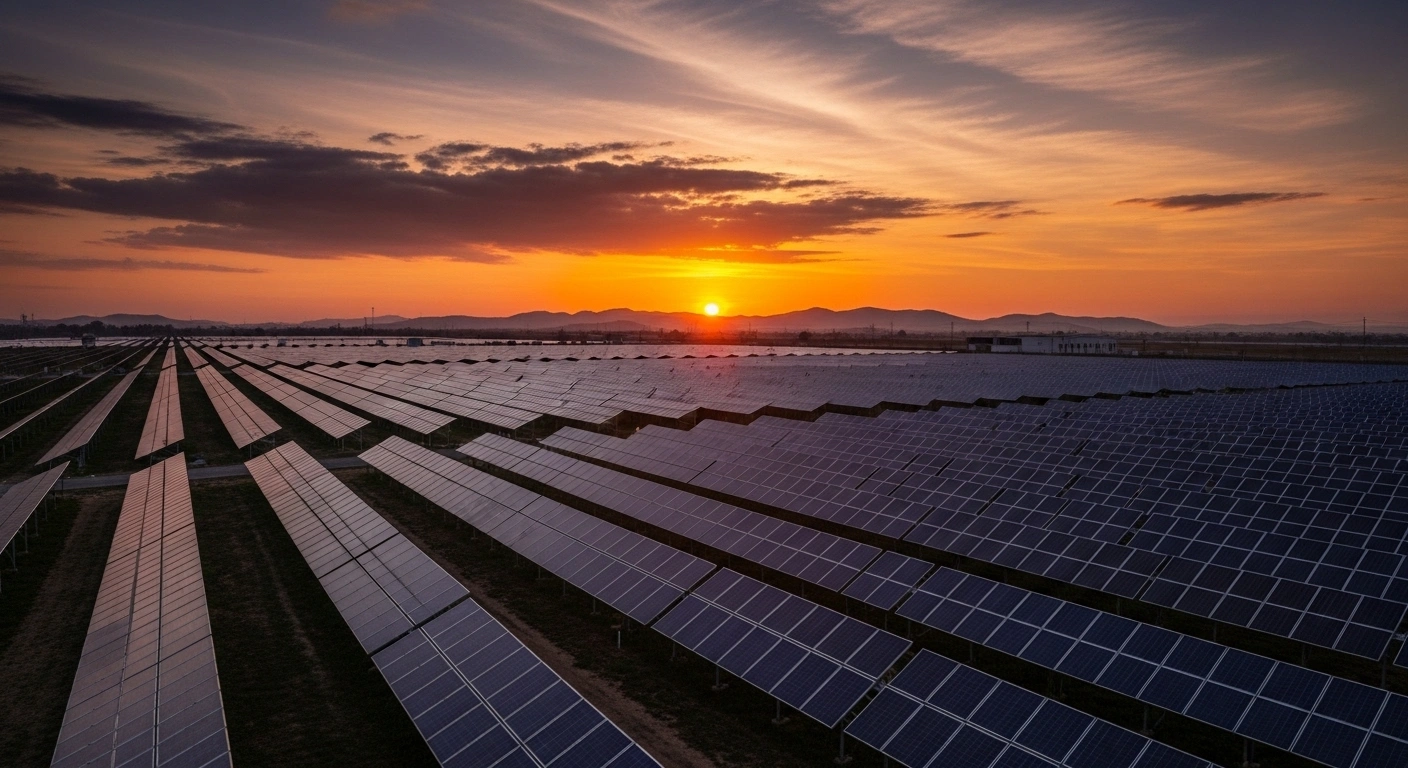
Learn about the Solar Energy Corporation of India (SECI), its role in India’s solar mission, major renewable projects, auctions, and how it is accelerating India’s clean energy transition.
Introduction
India is rapidly emerging as one of the world’s largest renewable energy markets, and a key organization driving this transformation is the Solar Energy Corporation of India (SECI). Established by the Government of India, SECI plays a vital role in implementing solar and renewable energy projects across the country.
With ambitious climate goals and a growing demand for electricity, India is investing heavily in solar, wind, and hybrid energy systems. SECI acts as a central agency that connects renewable energy developers, government policies, and power distribution companies.
From organizing large solar power auctions to supporting solar manufacturing and renewable energy trading, SECI has become one of the most influential institutions in India’s clean energy sector.
What is the Solar Energy Corporation of India (SECI)?
The Solar Energy Corporation of India is a public sector enterprise under the Ministry of New and Renewable Energy (MNRE). It was established in 2011 to implement the government’s ambitious solar expansion plans under the Jawaharlal Nehru National Solar Mission.
The organization was initially formed as a not-for-profit company but later evolved into a commercial enterprise capable of managing large renewable energy projects and trading electricity.
SECI’s primary mission is to accelerate renewable energy deployment in India while ensuring cost-effective electricity for consumers.
Headquartered in New Delhi, SECI operates nationwide and collaborates with state governments, utilities, and private developers.
Read Also: Grid-Free Solar Streetlights Transform Austin Neighborhoods
Why SECI is Important for India’s Renewable Energy Sector
India has set ambitious clean energy targets, including achieving 500 GW of non-fossil fuel capacity by 2030. Achieving this requires strong institutions that can coordinate large-scale projects and investments.
SECI helps achieve these goals by:
- Conducting renewable energy auctions
- Supporting solar manufacturing
- Developing solar parks
- Managing power purchase agreements
- Promoting hybrid renewable energy projects
By managing transparent bidding processes and long-term electricity contracts, SECI has helped reduce solar tariffs significantly over the past decade.
Major Functions of SECI
1. Organizing Solar and Renewable Energy Auctions
One of SECI’s most important roles is organizing competitive renewable energy tenders and auctions.
These auctions allow developers to compete by offering the lowest electricity price, which benefits consumers and utilities.
Through this process, SECI has helped reduce solar power tariffs in India from high initial costs to some of the lowest solar electricity prices in the world.
Major auctions conducted by SECI include:
- Utility-scale solar power projects
- Wind energy projects
- Solar-wind hybrid projects
- Round-the-clock renewable energy supply projects
2. Implementing National Solar Mission Projects
SECI plays a key role in implementing the National Solar Mission, one of India’s flagship renewable energy programs.
The mission aims to increase solar power capacity and reduce dependence on fossil fuels.
Under this mission, SECI supports:
- Solar park development
- Grid-connected solar plants
- Large-scale solar installations
Solar parks developed under SECI’s initiatives provide ready infrastructure such as land, transmission connectivity, and permits, making it easier for developers to build solar power plants.
3. Renewable Energy Power Trading
SECI also acts as a renewable power trading company.
It purchases electricity from renewable energy developers and sells it to state distribution companies (DISCOMs). This arrangement ensures stable demand and long-term revenue for renewable energy producers.
This system is particularly important for large solar projects that require long-term contracts to remain financially viable.
4. Supporting Domestic Solar Manufacturing
India is working to reduce dependence on imported solar components. SECI supports this effort by implementing government schemes that promote domestic solar manufacturing.
One of the major initiatives includes the Production Linked Incentive (PLI) scheme for solar PV modules.
This program encourages companies to establish solar manufacturing facilities in India, strengthening the country’s solar supply chain and creating employment opportunities.
5. Development of Hybrid and Round-the-Clock Renewable Projects
As renewable energy capacity grows, grid stability becomes increasingly important.
To address this challenge, SECI has introduced innovative projects such as:
- Solar-wind hybrid energy systems
- Renewable energy with battery storage
- Round-the-clock renewable power supply
These solutions help provide reliable electricity even when solar or wind generation fluctuates.
Read Also: Top Home Solar Batteries 2026 — Capacity, Power & Expandability
Key Achievements of SECI
Over the years, SECI has made significant contributions to India’s renewable energy expansion.
Some notable achievements include:
Massive Renewable Energy Capacity
SECI has facilitated the development of tens of gigawatts of renewable energy capacity across India.
These projects include solar, wind, hybrid, and storage-based renewable systems.
Lowest Solar Tariffs
SECI’s competitive bidding model has helped reduce solar power costs dramatically.
India now has some of the lowest solar electricity tariffs globally, making renewable energy more affordable.
Large Solar Park Development
SECI has supported the development of large solar parks across multiple Indian states. These parks allow developers to install solar plants efficiently while minimizing project risks.
Global Renewable Energy Partnerships
SECI also collaborates with international organizations, investors, and technology providers to accelerate renewable energy deployment.
Such partnerships attract global investment into India’s renewable energy sector.
Recent Developments and Projects
SECI continues to launch new renewable energy tenders and power agreements to expand clean energy capacity.
Some recent initiatives include:
- Large solar and hybrid energy auctions
- Renewable energy projects integrated with battery storage
- Green hydrogen initiatives
- Long-term power purchase agreements with utilities
These projects support India’s transition toward a clean, sustainable energy system.
Future Role of SECI in India’s Energy Transition
India’s electricity demand is expected to grow significantly in the coming decades. Renewable energy will play a central role in meeting this demand while reducing carbon emissions.
SECI will remain a key driver of this transition by:
- Expanding solar and wind installations
- Supporting energy storage technologies
- Encouraging green hydrogen production
- Strengthening renewable energy supply chains
With government support and increasing private sector investment, SECI is expected to continue leading India’s renewable energy growth.
Challenges Ahead
Despite its achievements, SECI faces several challenges, including:
- Grid integration of renewable energy
- Land acquisition for large solar parks
- Transmission infrastructure development
- Financial health of distribution companies
Addressing these challenges will be essential to maintain the rapid growth of renewable energy in India.
Conclusion
The Solar Energy Corporation of India has become one of the most important institutions driving the country’s renewable energy transformation. By organizing transparent solar auctions, supporting domestic manufacturing, and facilitating large renewable energy projects, SECI has helped position India as a global leader in clean energy.
As India moves toward its ambitious renewable energy targets, SECI will continue to play a central role in accelerating solar, wind, and hybrid energy deployment.
With innovative policies, strong government backing, and increasing private sector participation, SECI is helping build a sustainable and energy-secure future for India.
Related Posts


1 thought on “India’s Solar Agency SECI: How It Is Powering the Country’s Clean Energy Future”